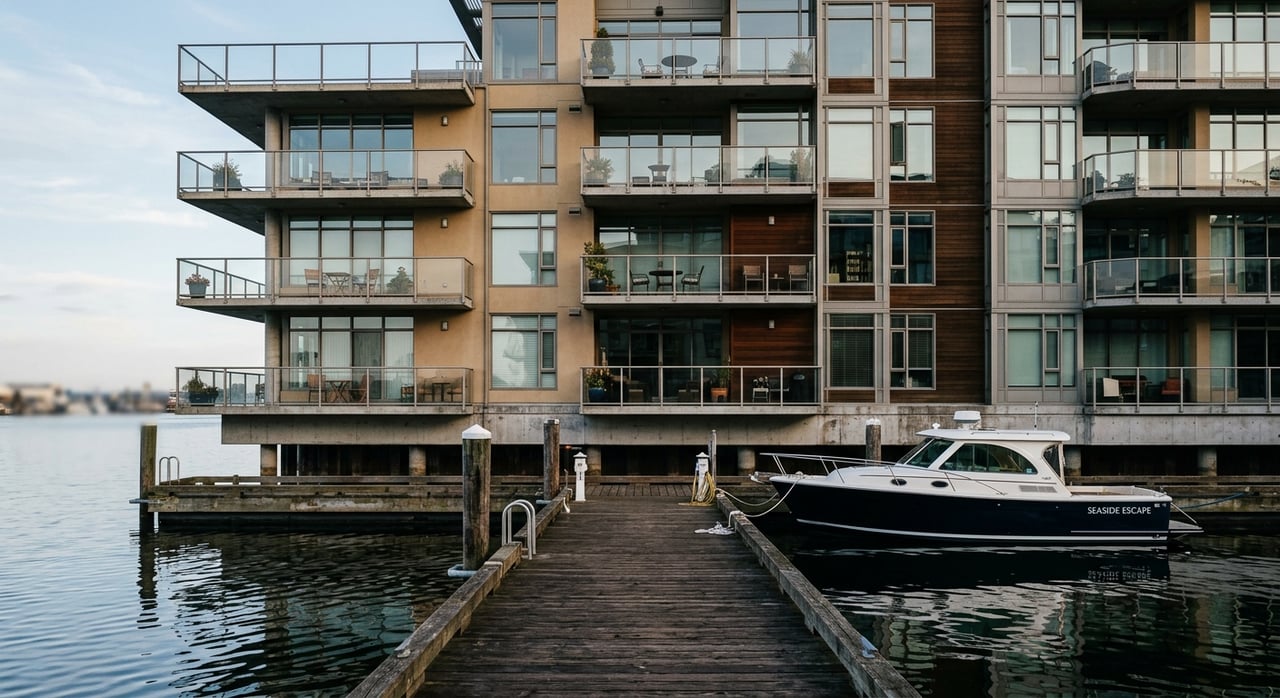
Marco Island Condo vs Home: How to Choose the Right Fit
July 23, 2026
July 23, 2026
If you are dreaming about waterfront living on Marco Island, the biggest question may not be whether you want water access. It is often how you want to live with it. Some buyers want a simpler, lock-and-leave condo lifestyle, while others want the privacy and control that often comes with a single-family home. This guide will help you compare both options so you can make a more confident decision. Let’s dive in.
On Marco Island, both condos and single-family homes can deliver beautiful waterfront settings, boating access, and a strong coastal lifestyle. The real difference usually comes down to ownership structure, maintenance responsibilities, and how much decision-making you want to handle yourself.
That distinction matters more than many buyers expect. Two properties with similar views can come with very different rules, carrying costs, and long-term obligations.
Under Florida law, a condominium unit is a separate parcel, and ownership also includes an undivided interest in the common elements. In simple terms, you own your unit, but you also share ownership and use of certain parts of the property with other owners.
You have exclusive possession of your unit, but use of common elements must follow the condominium declaration and association rules. If you lease your condo, tenants generally receive the use rights to association property and common elements that are available to unit owners.
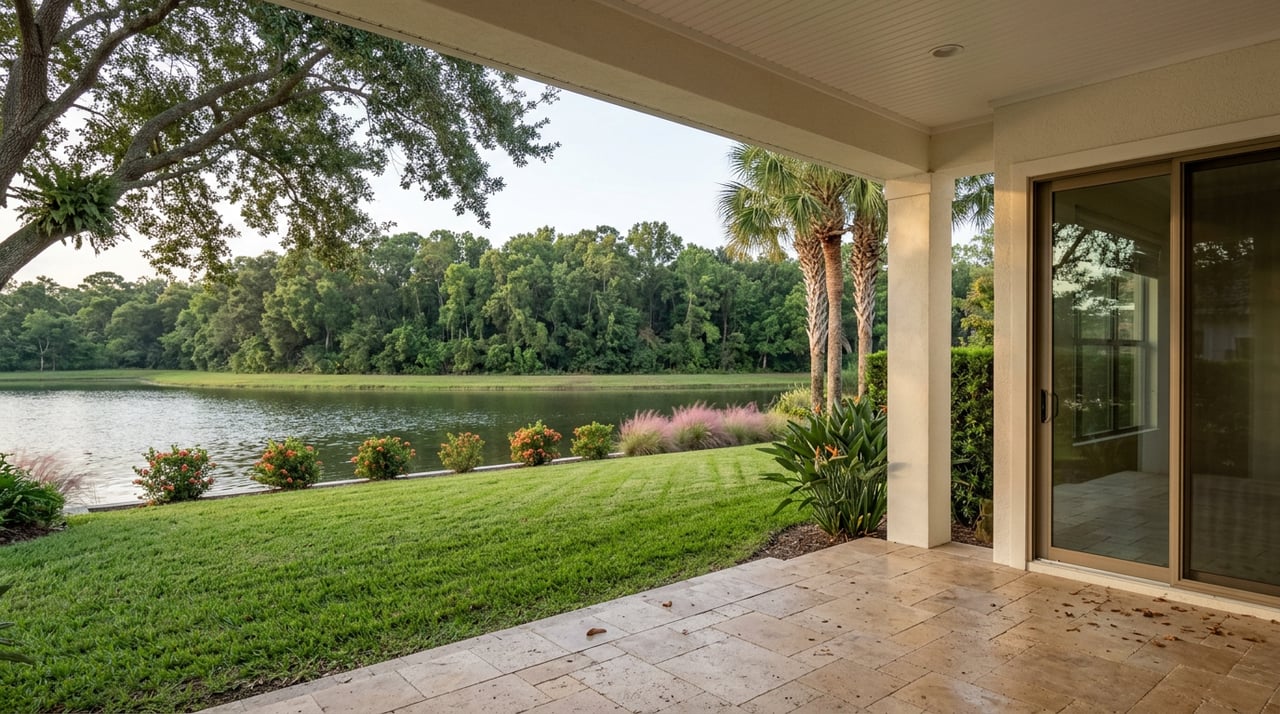
For many buyers, this structure supports a more convenient lifestyle. Exterior upkeep and many shared-property responsibilities are typically handled through the association, which can make condo ownership appealing if you want a seasonal residence or a lower-touch property.
The tradeoff is that you usually have less direct control over changes that affect shared areas. Outdoor modifications, amenity use, and some property decisions are often shaped by association rules and approval processes.
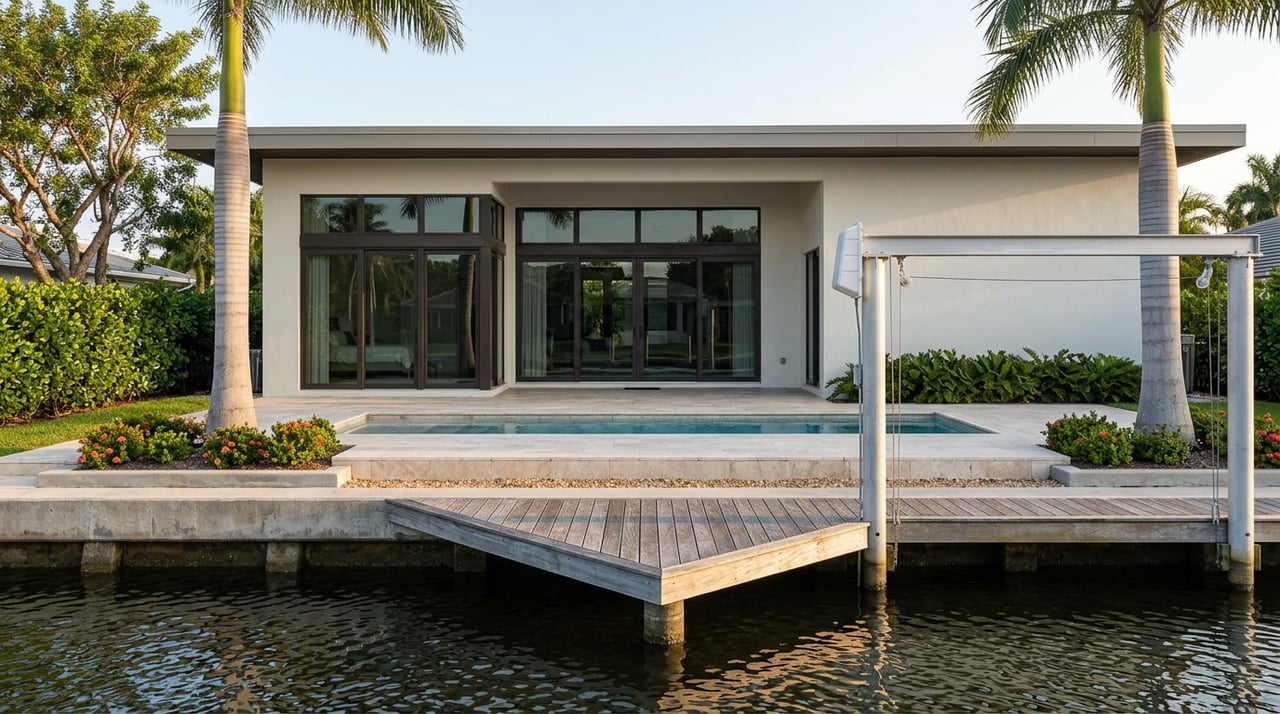
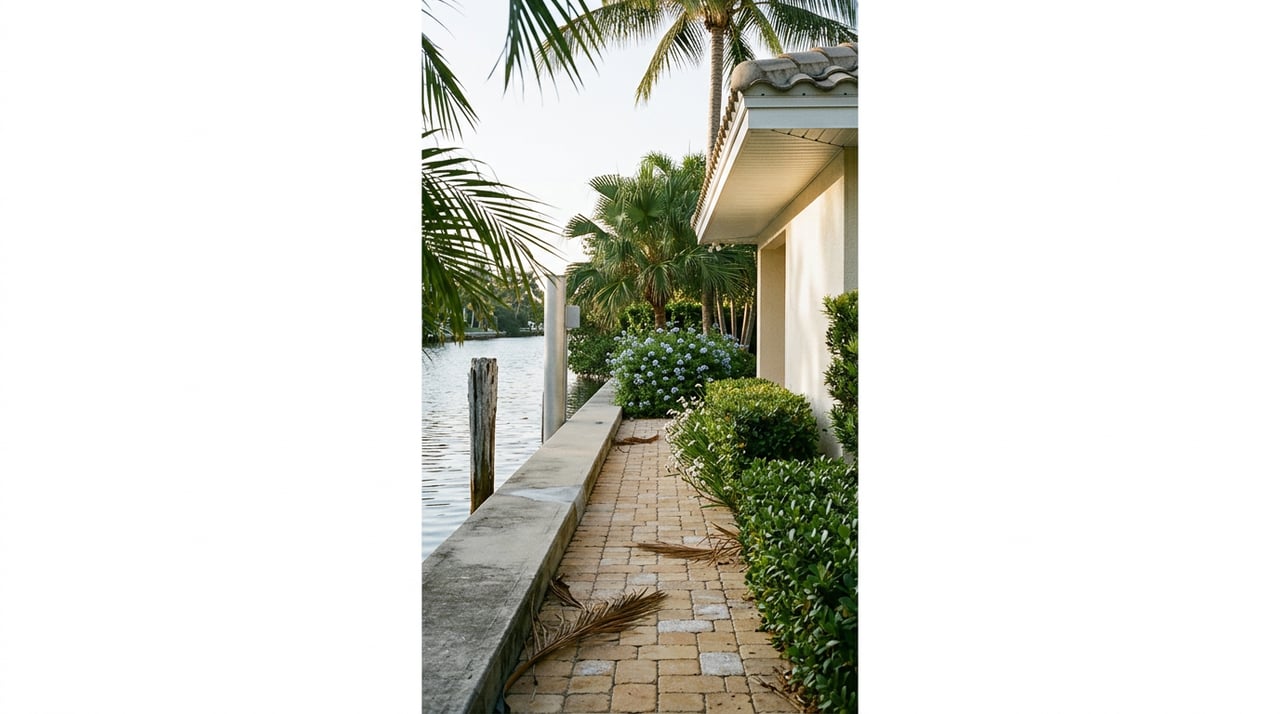
A single-family waterfront home usually gives you more direct control over the lot, dockage, outdoor space, and future improvements. If privacy, customization, and a more independent relationship with the property are high on your list, this option may feel like a better fit.
That added control also brings more responsibility. On Marco Island, the city separately addresses permits for seawalls, docks, boat lifts, pools, and other accessory structures, and the city also maintains specific boat-docking-facility regulations.
In practical terms, you are more likely to manage exterior maintenance and permitting yourself. That can be a plus if you want flexibility with your property, but it also means more hands-on oversight.
For some buyers, that responsibility is worth it. For others, especially seasonal owners or downsizers, it can feel like more property management than they want.
A condo’s monthly cost is not just about the unit itself. It also reflects the association’s budget, reserve funding, insurance obligations, maintenance plans, and other common expenses.
Florida law allows common expenses to include items such as maintenance, repairs, insurance, security, road maintenance, and certain bulk services. Assessments are collected at least quarterly, and some limited common element costs can be assigned to the owners who use them.
That is why two condo buildings with similar waterfront appeal may have very different monthly ownership costs. The difference can come from building condition, reserve health, insurance needs, and planned capital projects.
With a single-family home, your carrying costs are structured differently. You are usually handling more property-specific expenses directly, especially when it comes to waterfront improvements and exterior systems.
That can make expenses feel more straightforward in some cases, but it also means you need to budget for maintenance, repairs, and upgrades without the shared structure of an association.
If you are considering a condo, building age matters. In Florida, residential condominium buildings that are three habitable stories or higher must have a structural integrity reserve study at least every 10 years.
Milestone inspections are also required when those buildings reach 30 years of age and every 10 years after that. These requirements do not apply to single-family, two-family, three-family, or four-family dwellings with three or fewer habitable stories above ground.
The reserve study looks at major components such as the roof, structure, fireproofing, plumbing, electrical systems, waterproofing and exterior painting, and windows and exterior doors. It also accounts for possible funding methods, including regular assessments, special assessments, lines of credit, or loans.
For you as a buyer, this means monthly condo costs may only tell part of the story. You will want to understand not just today’s fees, but also the building’s condition, reserve status, and any known capital work on the horizon.
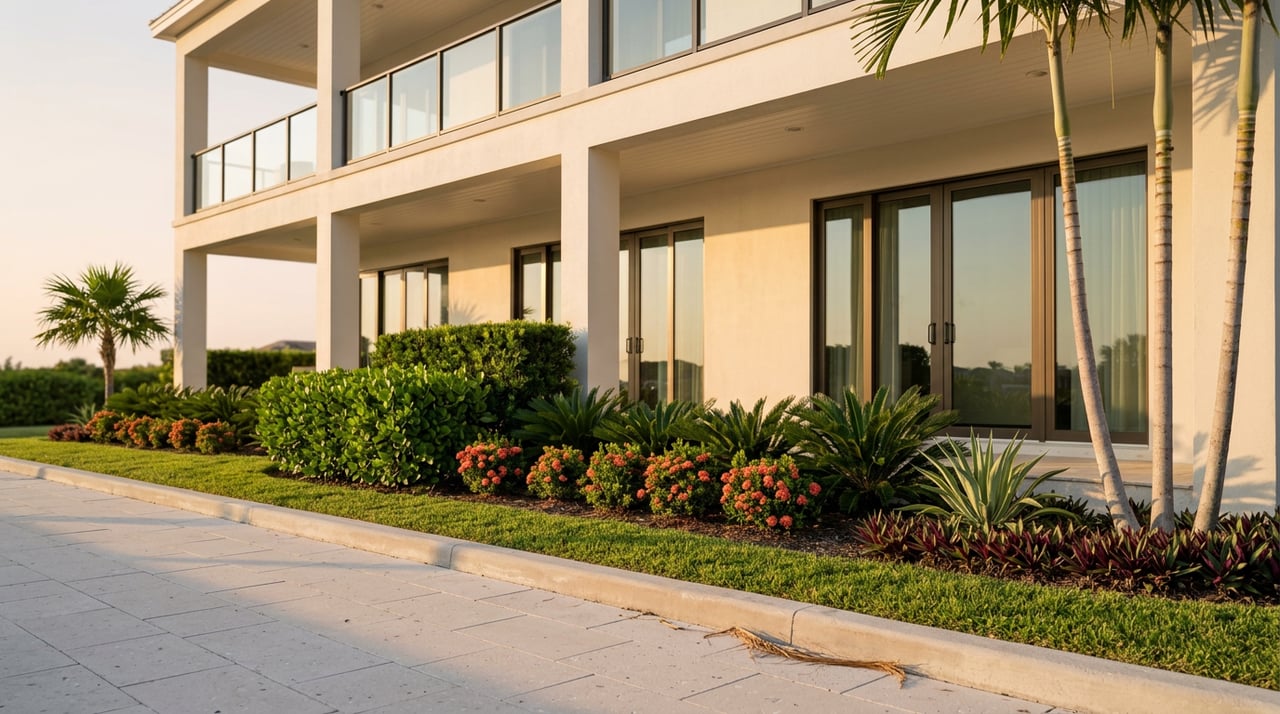
One reason many buyers choose waterfront condos is the access to shared amenities. Florida law allows associations to acquire use rights in marinas, golf courses, country clubs, and other recreational facilities intended to benefit unit owners when the governing documents provide for it.
That can make condo living a strong match if you want a lock-and-leave property with resort-style benefits and less hands-on upkeep. It often appeals to seasonal owners and buyers who value convenience.
A single-family waterfront home often offers more direct control over dockage, outdoor entertaining areas, and future property changes. If your vision includes customizing a dock setup, shaping your outdoor living space, or managing your waterfront access more directly, a house may better support that goal.
The key is to balance freedom with responsibility. More control often means more maintenance decisions, more permitting oversight, and more direct involvement with the property over time.
If rental potential matters to you, it is important to look at both state rules and property-specific rules. Florida preempts local governments from prohibiting vacation rentals or regulating the duration or frequency of vacation-rental stays.
Marco Island’s FAQ states that the city cannot cap vacation rentals at one week or 30 days, although local rules on items such as noise, parking, and landscaping still apply.
Even with that state framework, condo documents may be more restrictive. Under Florida law, amendments that prohibit renting, change rental terms, or limit how often an owner may rent apply only to owners who consented to the amendment and to later buyers.
That is why a condo should only be considered rental-friendly if its declaration, bylaws, and rules support that use. You will want to review those documents carefully before you rely on any income assumptions.
Florida’s vacation-rental definition includes both condominium units and individually owned single-family houses when used as transient public lodging establishments. If you plan to rent short term, state sales tax and local transient rental tax can apply.
Collier County’s current tourist tax return shows a 5% tourist tax on rental receipts. That makes tax planning part of the conversation for either property type.
Because Marco Island is a coastal market, flood and storm-surge exposure should be part of your due diligence. FEMA maps Special Flood Hazard Areas on Flood Insurance Rate Maps, and coastal locations can involve added considerations related to waves and storm surge.
Before you commit to a specific property, verify the flood zone and understand the insurance implications for that parcel or building. This step is important whether you are buying a condo or a single-family waterfront home.
The right answer often depends on what you want to control and what you would rather delegate. Neither option is automatically better. The best fit is the one that matches your priorities, budget, and ownership style.
Here is a simple way to think about it:
When you compare waterfront condos and single-family homes on Marco Island, focus on more than the view. Look closely at how the property will function for you over time.
If you value convenience and shared amenities, a condo may be the right move. If you value privacy and direct control, a single-family waterfront home may be worth the extra responsibility.
A careful review of ownership costs, rules, inspections, rental options, and waterfront permitting can help you choose with confidence. If you want thoughtful guidance as you weigh the tradeoffs, Laurie Bellico offers the discreet, high-touch support many coastal buyers value.
Stay up to date on the latest real estate trends.

GET IN TOUCH WITH LAURIE TO LEARN MORE
Coquina Sands Luxury Group William Raveis Real Estate 225 Banyan Blvd #110 Naples FL 34102