Olde Naples Homes: New Construction or Historic Charm
July 16, 2026
July 16, 2026
If you are drawn to Olde Naples, you are probably not just shopping for square footage. You are choosing between two very different kinds of living: the ease and polish of newer construction or the layered character of an older home with real history. In a neighborhood where original cottages, preserved homes, and contemporary infill all share the same coastal setting, the right choice comes down to how you want to live, maintain, and use the property. Let’s dive in.
Olde Naples is one of Naples’ original neighborhoods, and the City of Naples says it contains most of the original homes in the city, many dating from near the turn of the century. It is also a mix of old and new homes, framed by mature palms and tropical landscaping. That combination makes the neighborhood feel established, varied, and distinctly local.
This is also a place where context matters as much as the house itself. City tools separate the downtown historic district, overlay districts, flood maps, beach-access maps, and walking maps. When you buy in Olde Naples, you are not only evaluating the home. You are also evaluating the lot, the setting, and the rules that may shape future changes.
Part of Olde Naples’ appeal is how easily you can move through it on foot. The city’s planning materials identify pedestrian crossings, sidewalk gaps, sharrows, and wider sidewalks at key streets, based in part on pedestrian traffic data. The Fifth Avenue district is described by the city as a walkable downtown Main Street with shopping and dining.
The city’s walking map also connects places like Historic Third Street South, Crayton Cove, the Historic Waterfront District, Fifth Avenue South, and the 10th Street Design District. That means your decision is not only about finishes or architecture. It is also about how close you want to be to the streets, routes, and destinations you expect to use often.
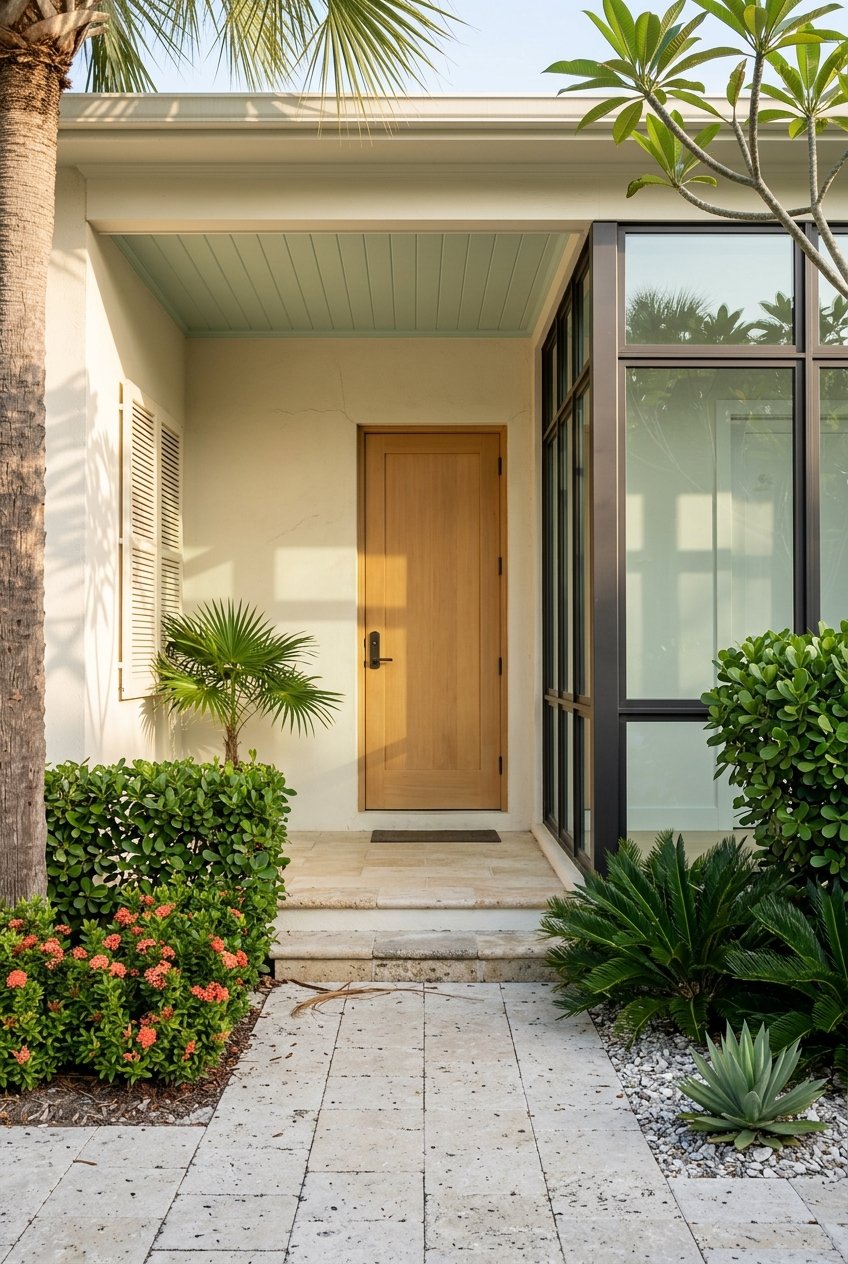
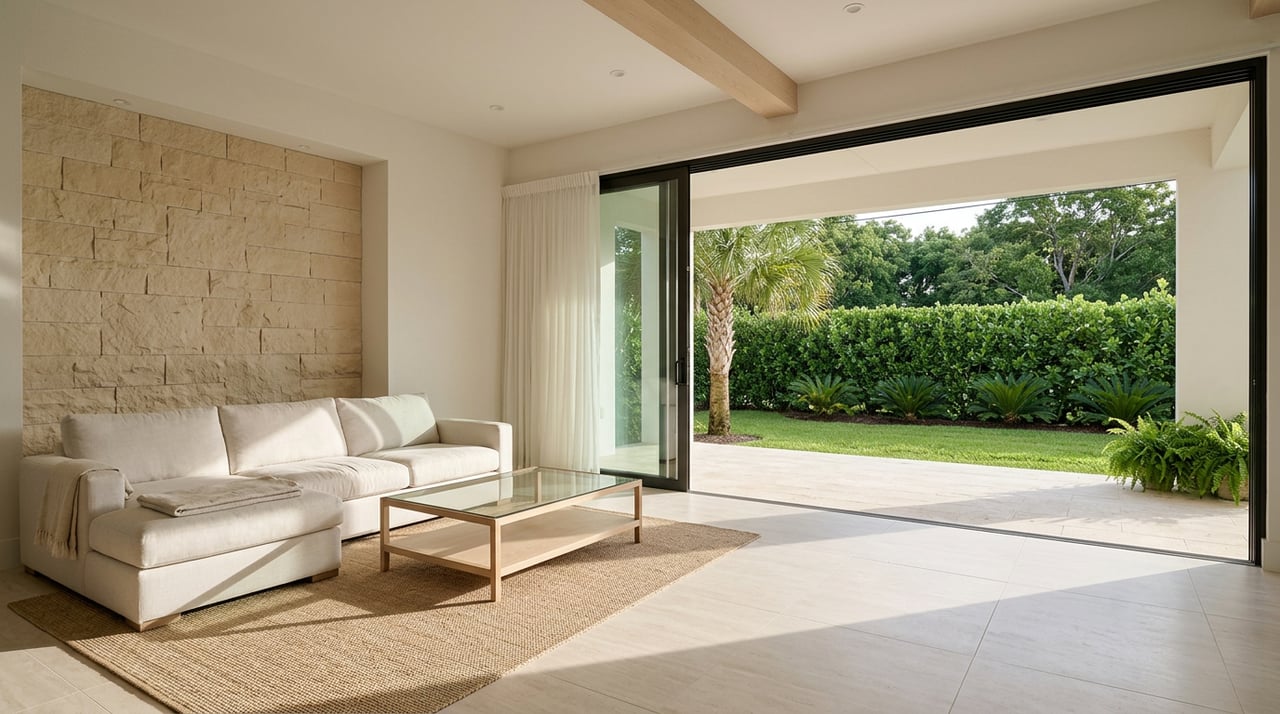
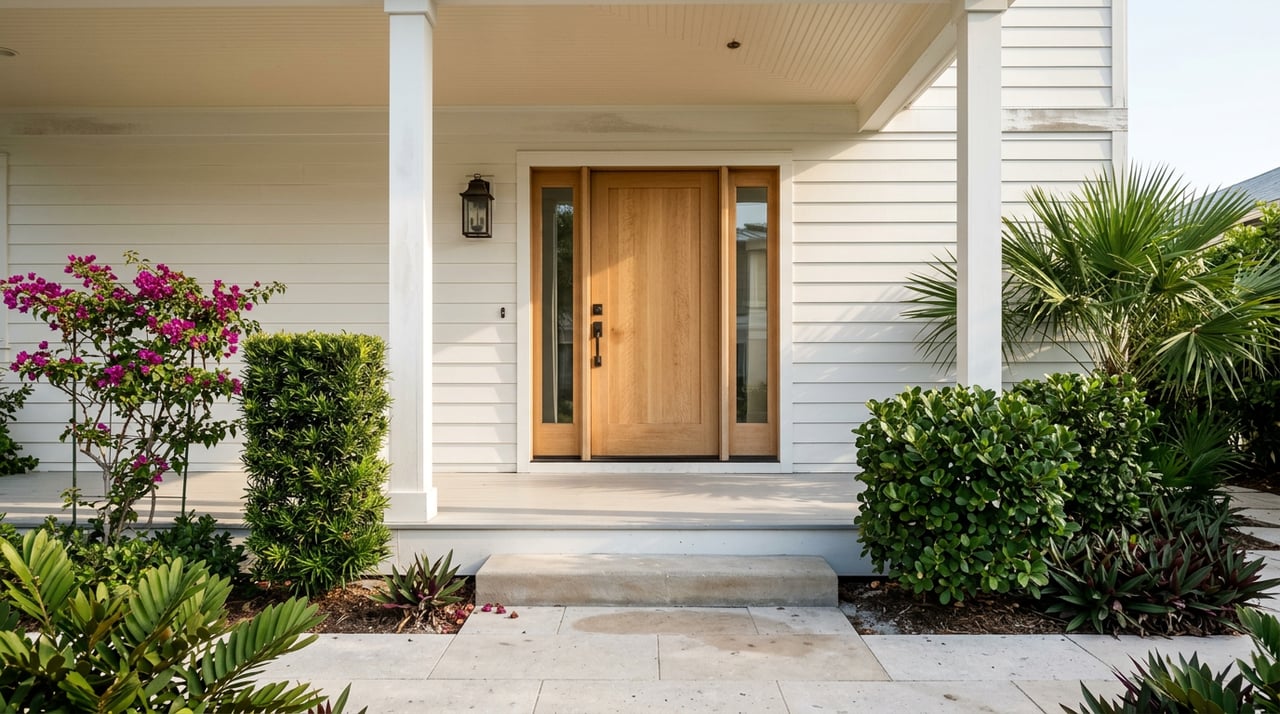
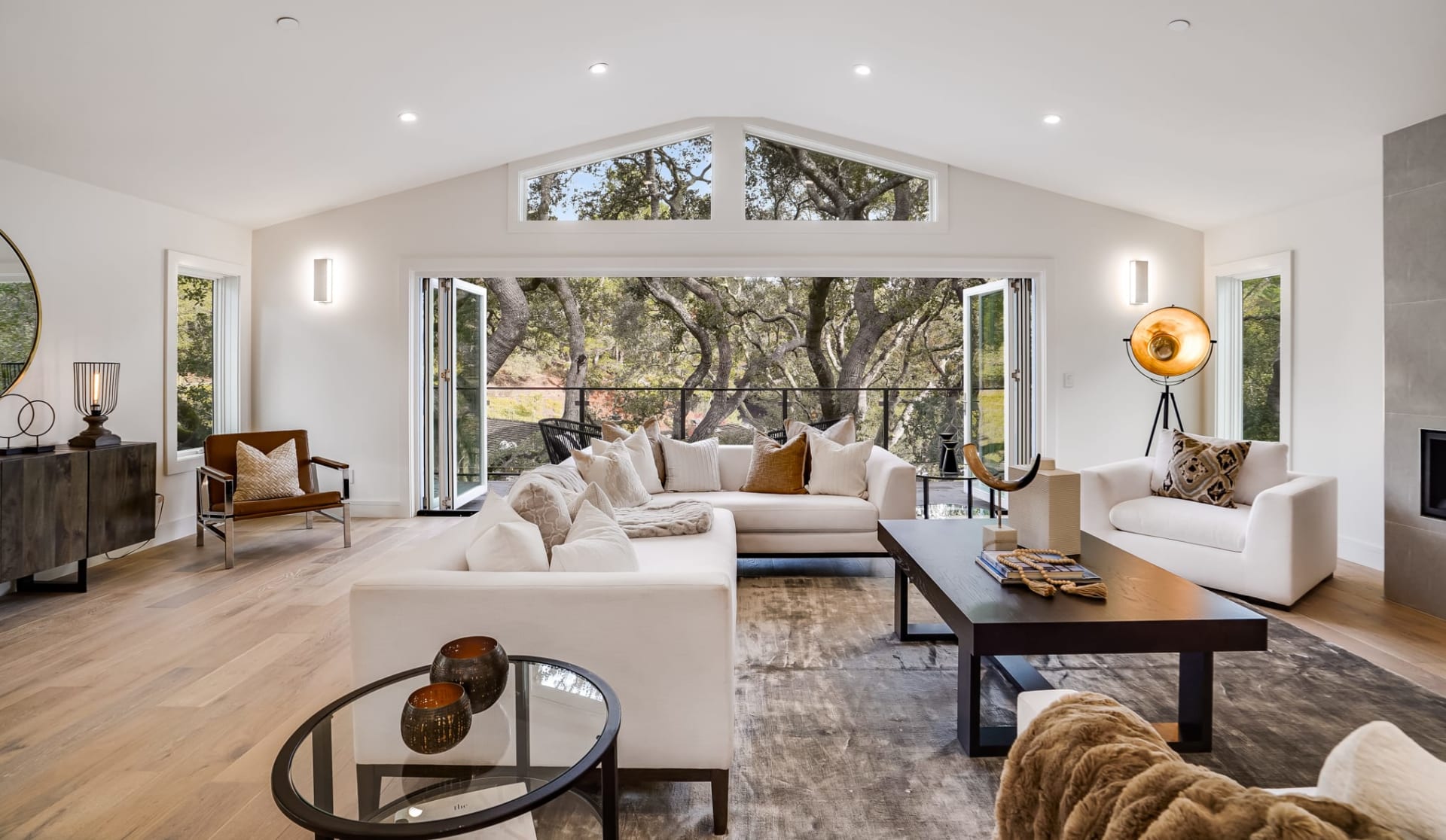
For many buyers, new construction in Olde Naples feels appealing because it tends to align more closely with current expectations. You may find a layout that feels more open, newer systems, and a cleaner starting point when it comes to finishes and day-one repairs. In a high-value market, that lower-friction ownership experience can be a major advantage.
At the same time, newer does not mean maintenance-free. Regular upkeep is still part of ownership, and delayed maintenance can lead to more expensive repairs later. A newer home may simply mean fewer immediate capital repair decisions, not the absence of responsibilities.
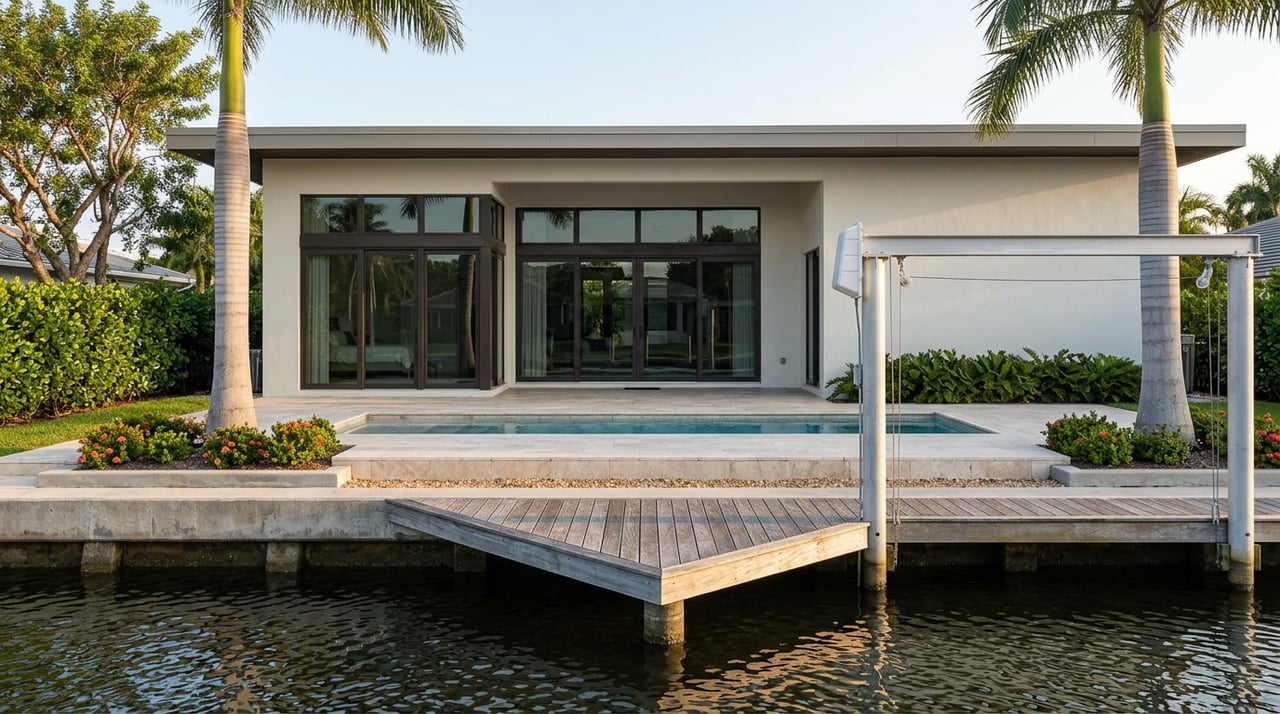
In Olde Naples, newer homes are often infill projects. The City of Naples design guidance says new structures do not have to copy older homes, but they should relate to nearby homes and respect scale, materials, and neighborhood identity. That gives architects and builders room to be contemporary while still responding to the surrounding streetscape.
For you as a buyer, that means the best newer homes are not just large or stylish. They tend to be the ones that sit well on the lot, handle the street edge thoughtfully, and balance garage access with outdoor living. In a walkable coastal neighborhood, that fit can matter just as much as the interior itself.
Older homes in Olde Naples offer something newer construction cannot fully recreate: a sense of story. The City of Naples describes the city as having a wealth of historic buildings that reflect its history from its earliest time to the present. Naples Historical Society identifies Historic Palm Cottage, built in 1895, as the oldest house in Naples.
That history shows up in the feel of the neighborhood. Walking-tour materials describe beautifully maintained private historic homes, while historical materials point to Olde Naples’ rustic, hand-crafted charm. If you value character, visual variety, and a home that feels connected to the origins of Naples, an older property may be especially compelling.
One of the strengths of older Olde Naples homes is their variety. Historical-society materials reference cottage-scale buildings, bungalow examples, and Mediterranean Revival architecture, though the latter is not the dominant historic type. As a result, older homes here often feel layered and intimate rather than uniform.
That variety can be a major draw if you want a property with personality. It can also require a more careful search, because two older homes on nearby streets may offer very different layouts, conditions, and renovation histories. In this part of Naples, age alone does not tell the whole story.
Historic charm often comes with a more involved ownership path. City code defines the local historic district as a National Register-listed district, and qualifying historic work may require review by the Florida State Historic Preservation Office before a city building permit is submitted. Depending on the property and the scope of work, updates may involve more approvals, more documentation, and more care around design and materials.
For many buyers, that is a manageable tradeoff. For others, it may feel like too much friction, especially if you want quick renovations or a simple part-time ownership experience. This is one of the clearest dividing lines between an older home and newer construction in Olde Naples.
Flood risk is a practical issue throughout this part of Naples. The City of Naples says the city is fronted by the Gulf of Mexico and threaded by bays and canal systems, which makes it particularly susceptible to flooding from major rain events and storm surge. The city also says the 2024 Flood Insurance Rate Maps are in effect for construction and insurance purposes.
This matters whether you prefer a new coastal-modern home or a historic cottage. Floodplain status can affect insurance, renovation scope, mitigation requirements, and future project planning. Before you get emotionally attached to a property, it is smart to confirm the flood context directly through the city’s interactive flood-map tool or by contacting the floodplain coordinator.
When comparing older and newer homes in Olde Naples, a few due-diligence steps can quickly bring clarity. The city’s GIS resources make it easier to start this process before you move too far into negotiations.
Find out whether the parcel sits in the historic-district overlay. That one detail can shape what may be possible if you plan to renovate, expand, or rebuild later.
Confirm whether the property falls in a flood hazard area. This can influence construction requirements, insurance considerations, and the scope of future updates.
Ask whether any remodel, addition, or rebuild could trigger floodplain or preservation review. Even if the current house works for you today, your long-term plans should fit the property’s regulatory context.
Olde Naples is a high-value market, but it is not a simple one. Zillow reported an average home value of $970,582, 198 homes for sale, and a median list price of $1.26 million as of June 30, 2026. Redfin reported a median sale price of $1.35 million over the three months ending May 2026 and average days on market of 56 days.
Because these platforms use different methods and samples, the numbers should be treated as directional rather than interchangeable. Even so, they reinforce an important point: pricing, condition, and property type all affect resale positioning. A well-executed newer home and a thoughtfully maintained historic property may each appeal to different buyers, but both need to be evaluated in the context of lot, condition, and location.
If you value a more turnkey feel, contemporary layout, and fewer immediate repair decisions, newer construction may be the better fit. It can offer a smoother starting point while still allowing you to enjoy Olde Naples’ walkability and coastal setting. Just remember that site design, scale, and neighborhood fit still matter here.
If you are drawn to architectural story, mature streetscapes, and the charm of an older home, a historic or older property may be the right match. You may need to accept more maintenance and a more detailed approval process for certain changes. For many buyers, that extra effort is exactly what makes the home worth owning.
The smartest way to view this market is not old versus new. Olde Naples is better understood as a spectrum of original cottages, preserved historic homes, and contemporary infill, all shaped by the same walkable, coastal, flood-aware environment. The best choice is usually the one that matches your lifestyle, your tolerance for upkeep, and your plans for the property over time.
If you want a thoughtful, discreet perspective on how a specific Olde Naples property fits your goals, Laurie Bellico can help you evaluate not just the home, but the setting, constraints, and long-term value behind it.
Stay up to date on the latest real estate trends.
GET IN TOUCH WITH LAURIE TO LEARN MORE
Coquina Sands Luxury Group William Raveis Real Estate 225 Banyan Blvd #110 Naples FL 34102