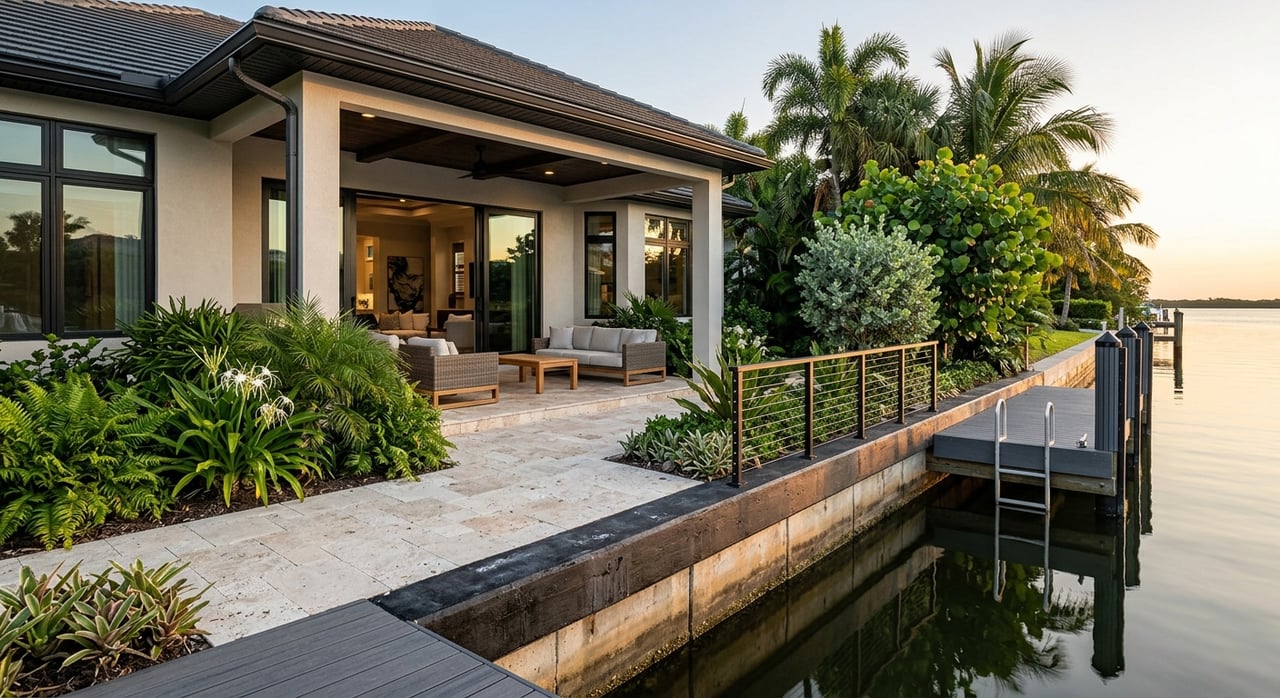
Royal Harbor Tear Down or Remodel on the Waterfront
June 18, 2026
June 18, 2026
If you are looking at a Royal Harbor waterfront property, one question can shape everything from your budget to your timeline: should you renovate the existing home or start over with a new build? That choice can feel especially complex here, where older waterfront houses and newer custom homes often sit side by side. The good news is that the right answer usually becomes clearer when you focus on the lot, the water access, and the rules that apply to the site. Let’s dive in.
Royal Harbor is one of the City of Naples neighborhoods, and its canal system is tied to the East Naples Bay Special Taxing District. The city describes the Royal Harbor canals as manmade canals and tributaries of East Naples Bay, and the district’s work is focused on water quality, navigability, and maintenance dredging.
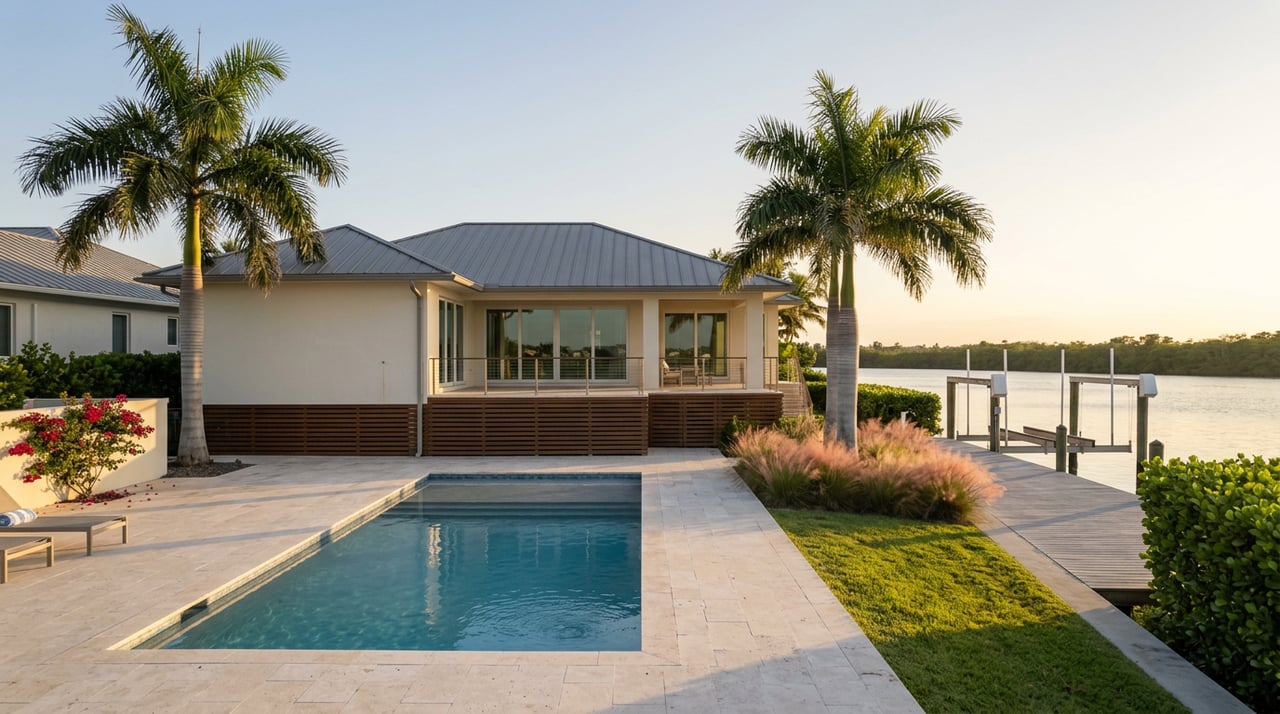
That matters because your decision is not only about the house itself. In Royal Harbor, the waterfront setting can affect how you think about boat access, dock layout, canal conditions, setbacks, flood requirements, and long-term resale.
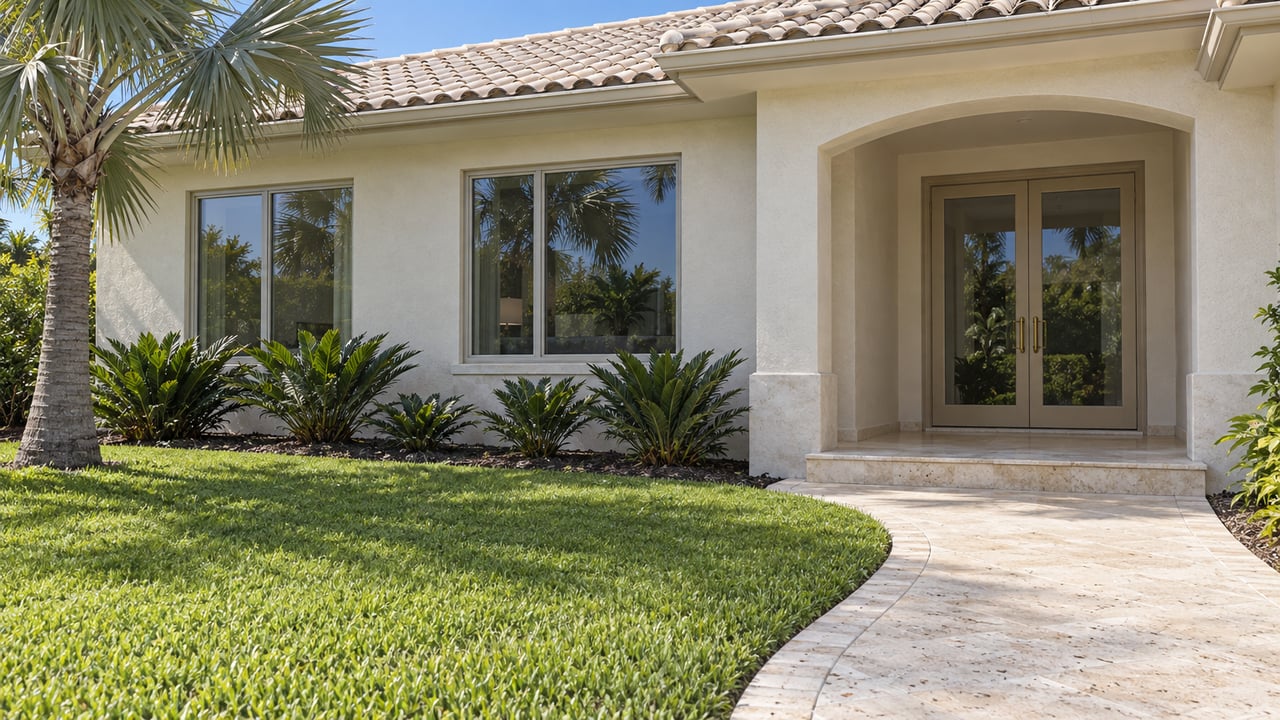
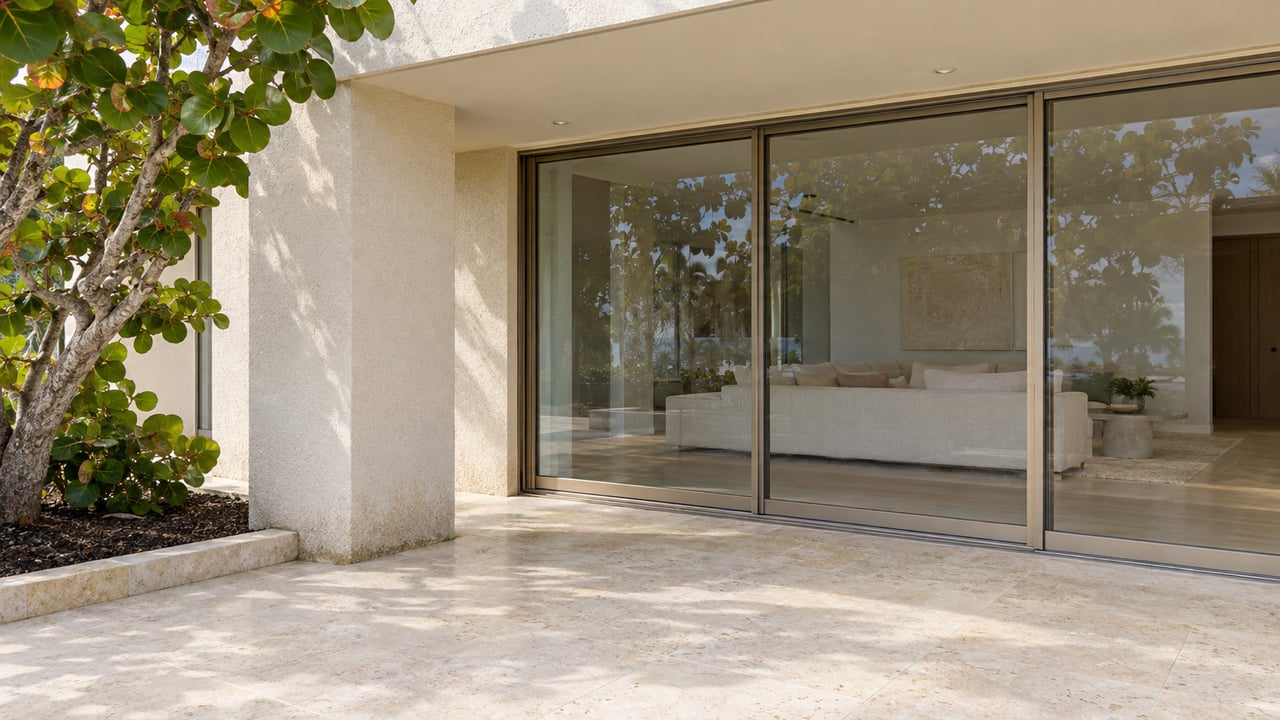
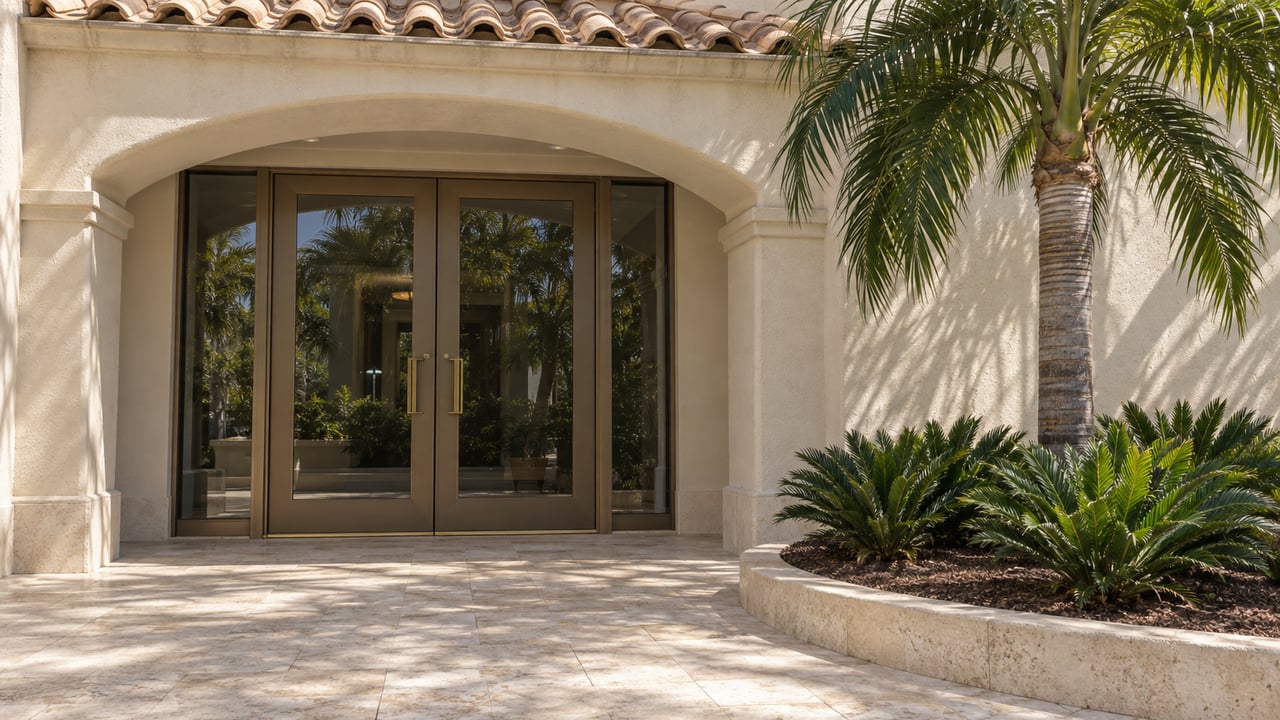
Another important local factor is the housing mix. Royal Harbor is known for having both older homes and newer custom construction, so buyers and owners are often comparing the value of an existing structure against the value of the site itself.
In a waterfront neighborhood like Royal Harbor, the lot often drives the decision more than the age of the home. A house can be updated, expanded, or replaced, but the lot’s shape, orientation, and waterfront geometry are fixed starting points.
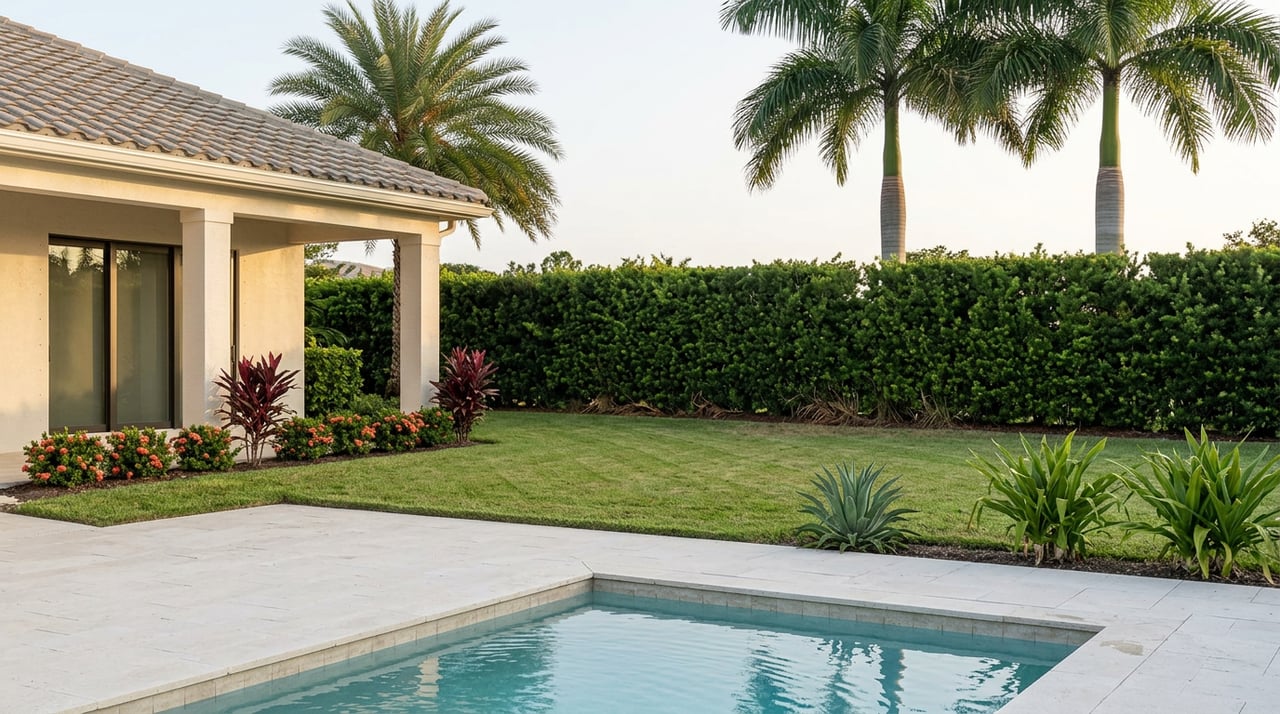
For navigable waterfront lots that are not Gulf-front, the City of Naples treats the water side as the rear yard. That means if you are thinking about adding living space, a pool, or other accessory features, you need to evaluate rear-yard setbacks and lot geometry, not just the interior floor plan.
This is one reason two homes with similar square footage can have very different potential. A property that looks like a simple remodel on paper may become more complicated once you study the waterside setbacks and available space.
A renovation is often the better fit when the existing home already works with the lot. If the shell is usable, the elevation is workable, and the dock layout supports your boating needs, improving what is already there may be the more efficient path.
This can be especially appealing if the home has an established coastal look that still feels proportionate to the site. In a neighborhood where older and newer homes coexist, a well-planned renovation can preserve waterfront appeal while bringing the property up to current expectations.
Renovation may also be worth a closer look when the existing improvements reduce uncertainty. If permit history is clear, waterfront features appear to be properly approved, and the home sits comfortably within current flood and setback realities, you may avoid some of the larger unknowns that come with a full teardown.
Sometimes the lot is the real asset, and the existing house no longer makes the best use of it. In those cases, new construction can offer a cleaner solution.
A rebuild is often more compelling when the current home feels functionally obsolete, visually dated for the site, or too limited for today’s expectations. It can also make sense when you need a full rethink of flood strategy, shoreline improvements, and how the house relates to the water.
Because Florida’s current statewide building code is the 8th Edition (2023), updated through 2025, the real question is not simply whether an older home can be fixed. It is whether the finished project can realistically perform and comply under today’s standards in a way that supports your goals.
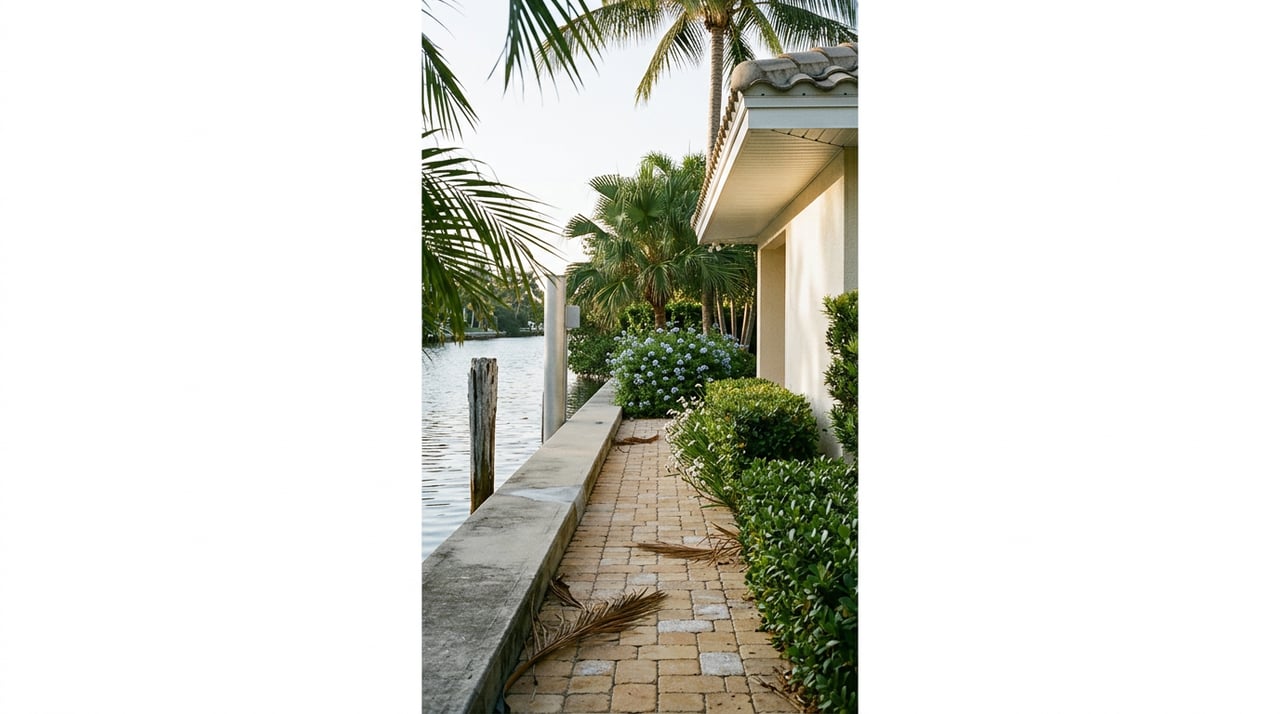
In Royal Harbor, water access details can strongly influence whether you renovate or build new. Before you decide, it is smart to look beyond the house and focus on how the waterfront actually functions.
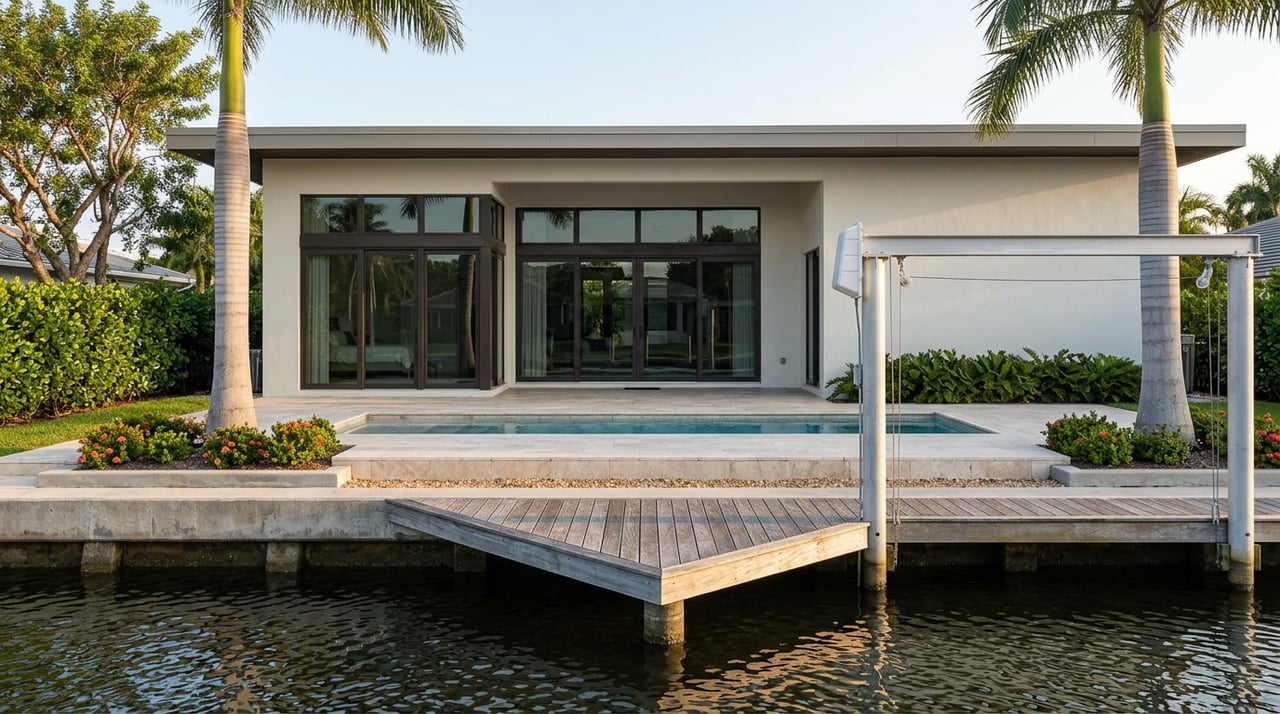
The City of Naples applies different dock standards to interior canal lots than it does to Naples Bay or Haldeman Creek-facing properties. On interior canals, the shore-normal dimension for a pier generally cannot extend beyond the platted property line, which the code describes as five feet offshore from the platted seawall line.
For bay- or creek-facing lots, pier placement is governed differently because of navigation channels, shoals, and existing lines of construction. In practical terms, that means one Royal Harbor property may offer a very different docking solution than another, even within the same neighborhood.
Canal depth can also vary from lot to lot, so boat draft compatibility should be checked carefully before closing. If your boating needs are central to your lifestyle, this one issue can quickly shift the balance between renovating an existing setup and starting fresh with a new design.
Not every waterfront lot behaves the same way. In Royal Harbor, irregular shorelines and limited waterfront frontage can affect what is possible for docks and site improvements.
City code allows exceptions to certain side-yard setback or shore-normal rules in some cases, but only through city review and, when applicable, consultation with neighboring owners and the subdivision property owners’ association. That means recorded covenants and local review may still matter, even if the property does not feel like a traditional HOA setting.
This is another reason the decision should be based on more than a visual first impression. A lot that appears flexible may have meaningful design constraints, while another may offer opportunity if handled correctly through the review process.
In Royal Harbor, renovation versus new construction is also a permit and flood-planning decision. The city requires building permits for demolition, alteration, repair, and new construction.
Naples also requires temporary construction fencing for complete or partial demolition and major additions, with a reduced waterside fence height allowed on waterfront lots. That may sound minor, but it shows how even the staging of a project is handled differently on the water.
The city also states that the 2024 Flood Insurance Rate Maps are now in effect for construction and insurance. Owners are encouraged to confirm the official flood zone through the city map or the Floodplain Coordinator, and spaces below the Design Flood Elevation have limited uses.
If you are considering floodproofing products or flood-related changes, permits are required for attached products, and the city encourages owners to consult licensed professionals, including a structural engineer, before making those modifications. In other words, this is not a casual design decision. It is a technical and regulatory one.
Some waterfront projects may require more than standard building permits. If a parcel lies seaward of the Coastal Construction Control Line, the city requires a Coastal Construction Setback Permit for new construction, excavation, fill placement, and repair of shore-protection structures.
The city also notes that construction on gulf, bay, canal, and lakeshore properties may require city, state, and federal permits. For a buyer or owner weighing renovation against new construction, that can affect timeline, cost, and project complexity.
This does not automatically mean a rebuild is the wrong choice. It simply means that the approval path should be part of the decision from the beginning, not treated as an afterthought.
Resale value is not just about finishes or square footage. In Royal Harbor, future buyers are likely to care about the same practical issues you are weighing today.
That often includes canal depth, boat fit, seawall condition, dock and lift permits, flood zone, elevation certificate, and any deed restrictions or association rules. Clear permit history and legally compliant waterfront improvements can help reduce uncertainty for the next buyer.
In many cases, the option that supports resale best is the one that leaves fewer unresolved questions. A renovated home can be very appealing when the existing structure and waterfront setup already make sense. A new build can be more compelling when it solves site, flood, and layout issues in a cleaner way.
If you are weighing a waterfront purchase or planning your next move in Royal Harbor, this framework can help organize your thinking.
On paper, renovate-versus-rebuild sounds like a construction question. In Royal Harbor, it is really a location-specific real estate decision shaped by lot geometry, canal conditions, dock rules, flood requirements, permits, and resale implications.
That is why careful due diligence matters before you commit. When you understand how the property works at the water’s edge, you can make a more confident choice about whether to improve what is there or create something new.
If you are evaluating a Royal Harbor property and want clear, discreet guidance on how the lot, waterfront details, and resale picture may affect your decision, Laurie Bellico can help you navigate the opportunity with local insight and a thoughtful approach.
Stay up to date on the latest real estate trends.
GET IN TOUCH WITH LAURIE TO LEARN MORE
Coquina Sands Luxury Group William Raveis Real Estate 225 Banyan Blvd #110 Naples FL 34102