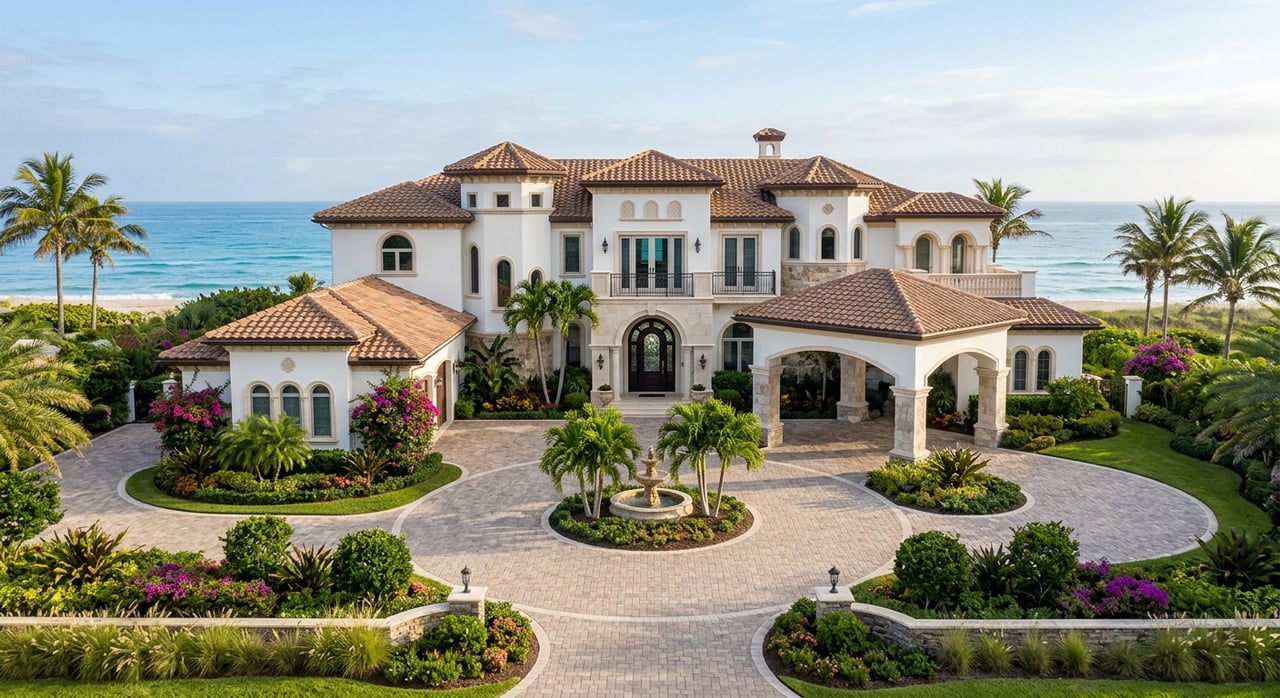
Port Royal Luxury Home Due Diligence Before You Buy
June 25, 2026
June 25, 2026
Buying in Port Royal can feel straightforward until you look closely at what comes with a waterfront purchase. If you are considering a home here, you are not just evaluating the house itself. You are also reviewing association rules, parcel-specific waterfront limits, permitting requirements, insurance details, and title issues that can affect your plans and your timeline. This guide walks you through the due diligence steps that matter most so you can move forward with more clarity and confidence. Let’s dive in.
In Port Royal, the association documents are not something to skim after contract. They are a core part of your property review because written approval is required for homes, additions, walls, fences, docks, and exterior color schemes.
That matters whether you plan a full renovation or a simple exterior update. Port Royal’s published materials also state that the Architectural Review Committee reviews plans monthly, which can shape both your design schedule and your post-closing plans.
Before your inspection period ends, review the current association materials for the specific property and lot. Focus on the rules that can affect how you use, improve, or maintain the home.
Key items to confirm include:
If you expect to start work soon after closing, this step is especially important. Port Royal’s fee materials indicate that membership is required throughout construction activities, and dock procedures note a surcharge for non-members.
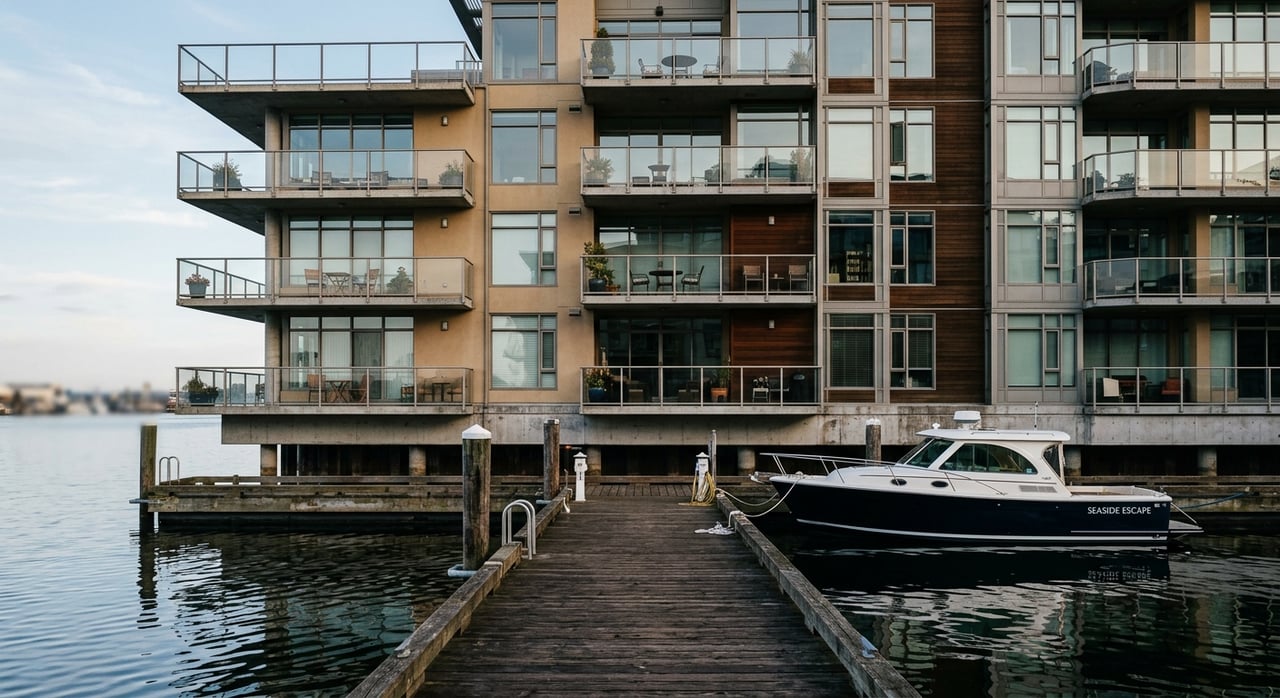
For waterfront buyers, dockage and shoreline rights deserve their own diligence track. A beautiful lot does not automatically mean every dock, lift, slip, or shoreline improvement you imagine will be allowed.
Port Royal’s dock procedures require association approval before any City permit submission for dock work. The process may also require a scaled legal survey, owner and builder certifications, and an as-built survey after construction.
Waterfront limits in this area can be highly specific to the parcel. The City of Naples R1-15A rules apply side-yard setbacks not only to the pier and lift, but also to the vessel itself.
Those rules also cap pier widths and lengths, and seawalls and recessed boat slips are generally prohibited except for certain listed lots. In practical terms, you should verify the exact rules for the specific property before assuming a future dock expansion, lift replacement, or seawall project is possible.
For waterfront due diligence, ask your team to gather and review:
Collier County’s marine permit requirements call for a signed-and-sealed site plan from an architect, engineer, or surveyor for docks, seawalls, and boat lifts. If shoreline features already exist, they should be checked against both prior permits and current rules.
Many buyers in Port Royal are not only buying location and waterfront access. They are also buying future potential. That could mean a remodel, a tear-down and rebuild, exterior updates, or dock improvements.
Before you rely on that vision, make sure the concept aligns with both association standards and local code. Port Royal’s deed-restriction summary states that waterfront plantings, mechanical screening, and the height and transparency of fences and walls are regulated.
In Port Royal, design review should be treated as an early-stage checkpoint, not a later formality. The association materials indicate that approval may involve site review and that compliance corrections may be required if completed work differs from the approved plan.
That means your renovation budget should reflect more than construction costs. It should also account for review timing, possible revisions, and the need for professionals who can prepare plans that match the community’s standards.
If you are buying with the intent to improve the property, consider this practical checklist before your inspection period expires:
This approach fits Port Royal’s published preference for qualified, licensed architects and builders with proven ability. It can help you avoid buying based on assumptions that later become expensive changes.
Insurance should not wait until the last week before closing. In a waterfront purchase, flood and wind coverage can affect both cost and timing.
The City of Naples states that the 2024 Flood Insurance Rate Maps are in effect and advises buyers to confirm the official flood-zone designation before purchase using a licensed engineer, architect, or surveyor. That is a key step if you want to understand coverage needs and likely premium factors.
Florida guidance notes that hurricane coverage is not the same as flood coverage. It also states that carriers must offer discounts for hurricane-loss mitigation and that a qualified inspector may be needed to document those features on the Uniform Mitigation Verification Inspection Form.
For some older homes, a 4-point inspection may also be required. Early insurance questions can help you understand whether the home’s age, construction, roof, or systems could affect underwriting.
Use this early insurance checklist:
A waterfront luxury purchase deserves careful title review, not just a strong physical inspection. Florida consumer guidance explains that title searches look for defects such as liens, unpaid taxes, easements, and other restrictions.
In a property where shoreline, access, and exterior improvements matter, title details can carry real weight. You want clarity on what is recorded, what rights exist, and whether any restrictions affect your intended use.
Even when the property itself checks out, timing can still become an issue if diligence items are handled too late. Association approvals, marine permitting research, insurance underwriting, and title review often overlap.
Closing logistics matter too. Buyers must receive the Closing Disclosure at least three business days before closing, so it helps to keep your review timeline realistic from the start.
Port Royal purchases often involve more moving parts than a typical inland transaction. The combination of association approvals, parcel-specific waterfront rules, county marine permit standards, flood verification, insurance review, and title work creates a more layered process.
That does not mean the process needs to feel overwhelming. It simply means you are best served by starting earlier, asking more specific questions, and reviewing the property as both a home and a regulated waterfront asset.
If you want a simple way to think about the process, focus on these five priorities first:
When you approach Port Royal this way, you reduce the risk of surprises and make better decisions about value, timing, and future plans.
If you are considering a purchase in Port Royal and want experienced local guidance, Laurie Bellico offers discreet, knowledgeable support tailored to Naples waterfront buyers.
Stay up to date on the latest real estate trends.


GET IN TOUCH WITH LAURIE TO LEARN MORE
Coquina Sands Luxury Group William Raveis Real Estate 225 Banyan Blvd #110 Naples FL 34102