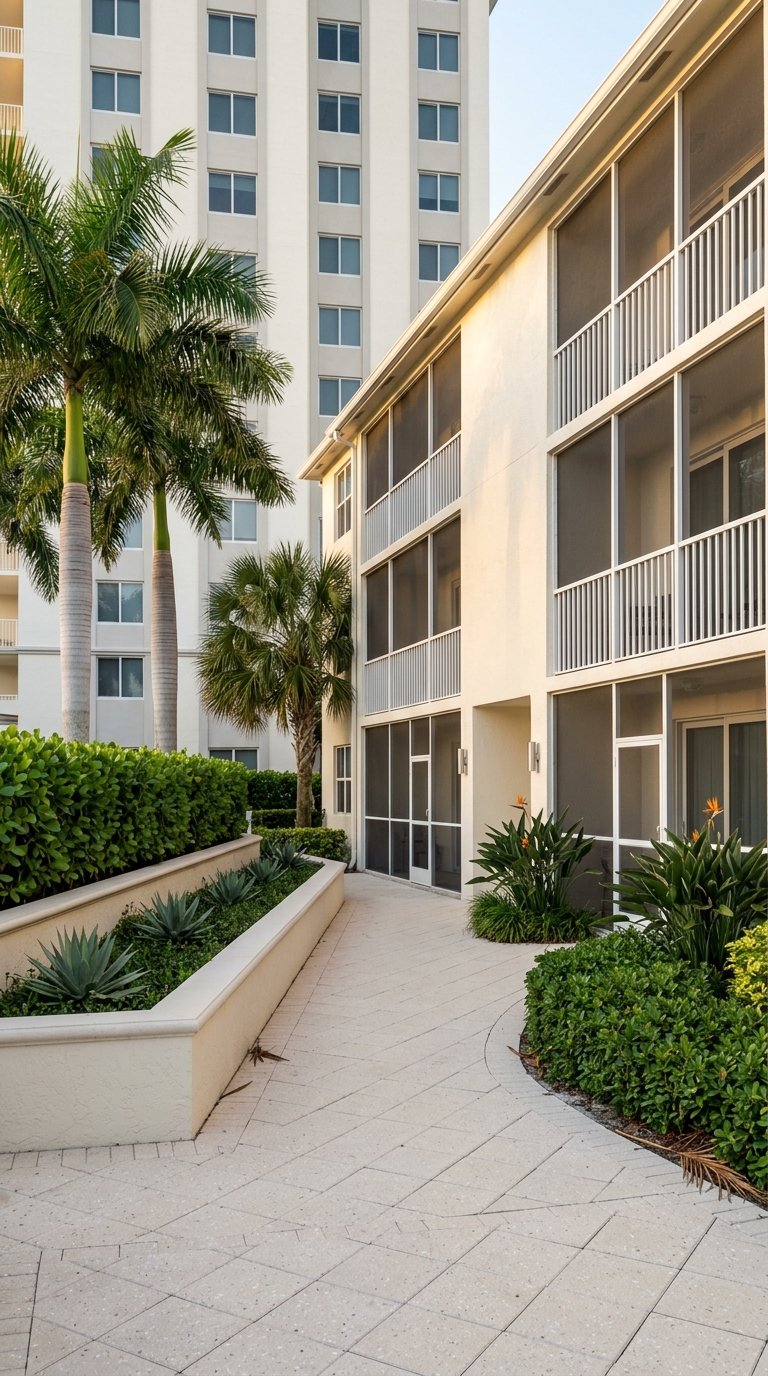
Pelican Bay High Rise vs Low Rise Living Compared
April 2, 2026
April 2, 2026
Choosing a condo in Pelican Bay is not just about square footage or finishes. It is about how you want your day-to-day life to feel. If you are weighing high-rise, mid-rise, or low-rise living, the good news is that each option can give you access to the same signature Pelican Bay lifestyle. What changes is your experience of views, privacy, services, and ownership costs. Let’s dive in.
According to the Pelican Bay Foundation, Pelican Bay includes about 6,500 residences across 95 associations, along with roughly 88 acres of parks and recreation areas. The community is known for its two private beaches, beach services, beachfront dining, racquets facilities, boardwalks, tram system, and community center.
That matters because building height is only one part of the decision. Whether you choose a tower, a mid-rise, or a low-rise residence, you are still buying into a well-established beachfront community with shared amenities that shape everyday living.
High-rise living often appeals to buyers who want the most dramatic views and a more service-oriented atmosphere. In Pelican Bay, examples like The Heron highlight panoramic Gulf, Clam Bay, and Naples views, while tower-style properties such as Marbella are associated with unobstructed Gulf views and concierge-style services.
For many buyers, the biggest draw is the sense of elevation and openness. A higher floor can offer wider sightlines, more natural light, and a more resort-like feel that complements seasonal or lock-and-leave ownership.
There are tradeoffs, too. High-rise living usually means greater reliance on elevators, more complex association operations, and potentially more building-wide maintenance obligations. If you love a polished, service-rich setting, that may feel well worth it.
High-rise living may be a strong match if you prioritize:
If your vision of Pelican Bay includes sunset views and a more elevated service experience, a high-rise may feel like the right fit.
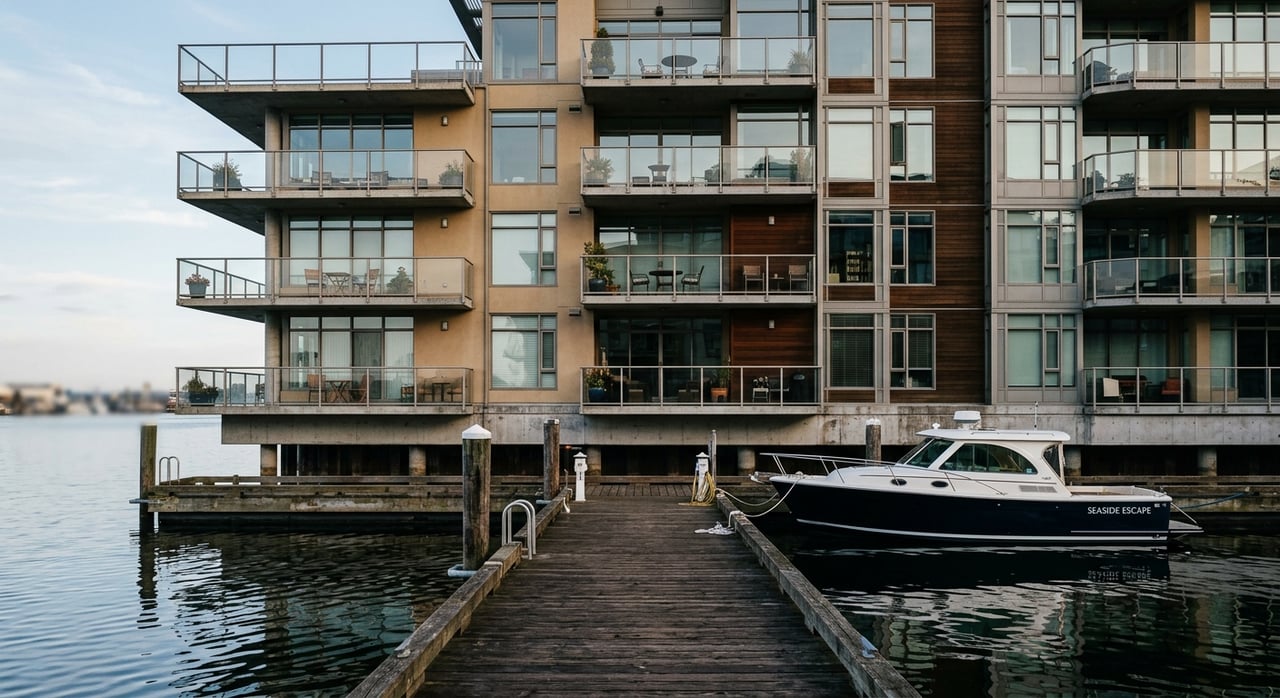
Mid-rise buildings often sit in the sweet spot between tower living and a more residential setting. Materials from Hyde Park at Pelican Bay describe a mix of low-rise and mid-rise buildings with golf or lake views, showing how this category can offer some elevation without the scale of a full high-rise.
In practical terms, mid-rise living can give you a balanced experience. You may enjoy better vantage points than a low-rise, while still avoiding the feel of a very tall building. For some buyers, that balance creates the right mix of convenience, comfort, and privacy.
Mid-rise associations can also be highly organized. The Crescent example in Pelican Bay shows that even without tower scale, a community may still have detailed resident documents, insurance information, reserve materials, and on-site maintenance support.
Mid-rise living may be ideal if you want:
If you want flexibility and comfort without going to either extreme, mid-rise options are worth a close look.
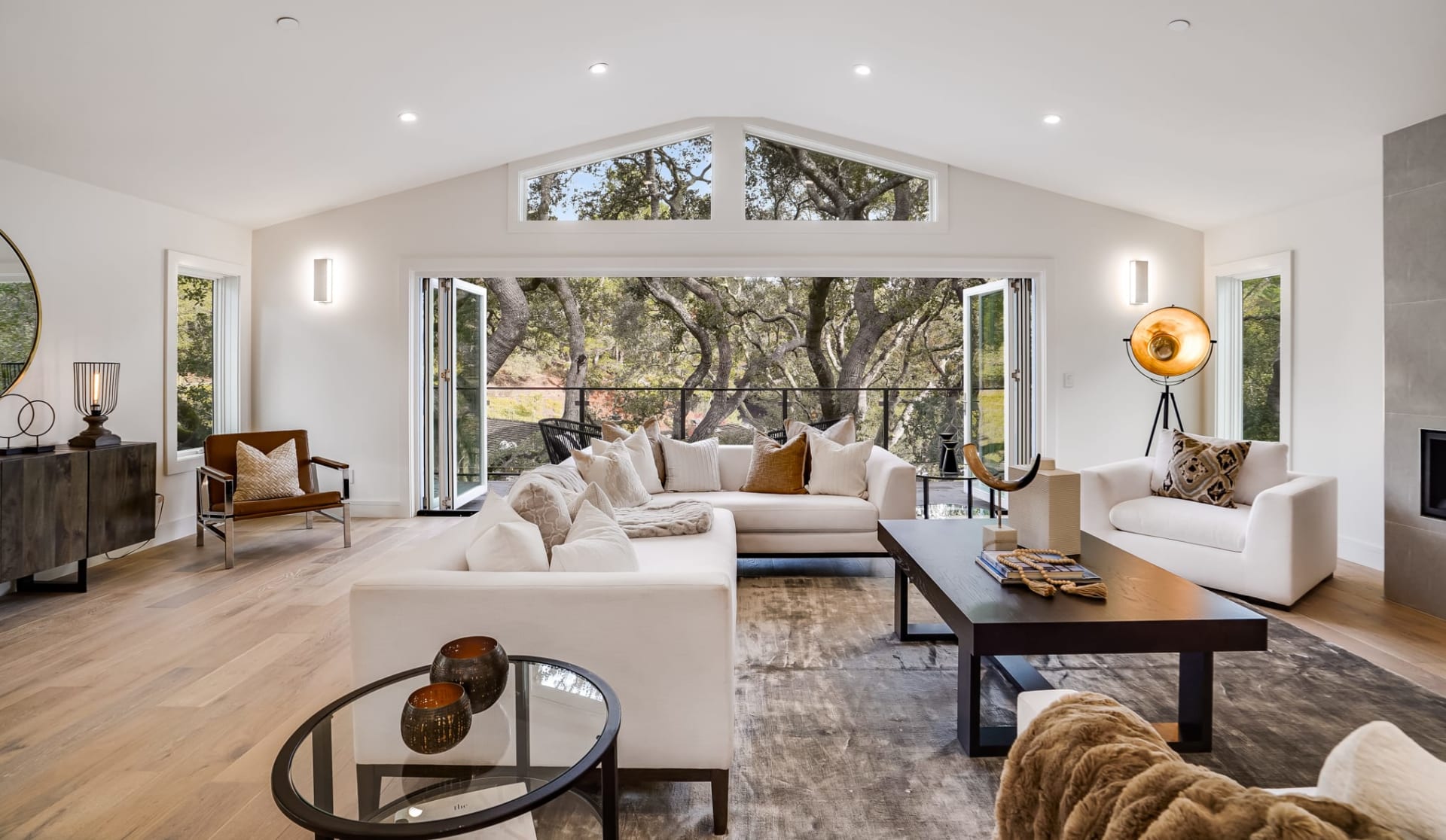
Low-rise communities in Pelican Bay often feel more intimate and relaxed. Serendipity is one example, with 66 residences and lagoon or garden views that support a calmer, more casual environment.
For many buyers, the appeal of low-rise living is simple. You often have fewer neighbors stacked above and below you, easier in-and-out access, and a quieter day-to-day rhythm. The setting can feel more like a neighborhood and less like a tower.
The tradeoff is usually in the view corridor. Low-rise residences may not offer the same sweeping Gulf panoramas as upper-level tower homes, but they can still deliver a highly appealing lifestyle inside the larger Pelican Bay community.
Low-rise living may suit you if you value:
If your priority is comfort, privacy, and ease rather than dramatic elevation, low-rise living may be the strongest match.
One of the easiest ways to compare these options is to think about what matters most in daily life. In Pelican Bay, high-rises generally offer the strongest potential for panoramic Gulf or city views. Mid-rises tend to balance some elevation with a less vertical feel. Low-rises usually lean toward privacy, calm surroundings, and easier access.
Here is a simple side-by-side view:
| Building type | Typical appeal | Potential tradeoff |
|---|---|---|
| High-rise | Broad views, service-rich setting, resort feel | Elevators, more complex association structure |
| Mid-rise | Balance of elevation and accessibility | Views may be more limited than top-floor towers |
| Low-rise | Intimate feel, easier access, quieter setting | Narrower and lower view corridors |
The right answer is less about which category is best and more about which one fits your lifestyle goals.
This is where your decision becomes more than a lifestyle choice. Under Florida condominium rules explained by the DBPR, buildings with three or more habitable stories are subject to milestone inspection and structural integrity reserve study requirements. Buildings under three stories are generally exempt.
The required reserve study covers major building components such as roofs, structural systems, fire protection, plumbing, electrical systems, waterproofing and exterior painting, and windows and exterior doors. As of 2026, the state also says associations must fund reserves according to the study, which can affect monthly costs and, in some cases, lead to special assessments or financing measures if reserves fall short.
For buyers in Pelican Bay, that means building height can directly affect carrying costs and due diligence. A high-rise or some mid-rise buildings may come with stronger views or more services, but they may also bring greater exposure to reserve funding requirements, inspections, and assessment risk than lower buildings under the three-story threshold.
No matter which building style you prefer, the association documents deserve careful attention. The research for this topic makes one point very clear: the specific association matters as much as the building category.
Before you move forward, ask for:
These details can shape your ownership experience just as much as the floor plan or view.
If you plan to use your condo seasonally or are thinking ahead about flexibility, lease rules are especially important. For example, Serendipity’s community information notes that leases are allowed twice per year with minimum 60-day terms.
That is a useful reminder that rental flexibility is building-specific, not community-wide. Two residences in the same broader neighborhood can have very different leasing rules, so it is smart to verify the documents for the exact association you are considering.
If you are still deciding, start with your non-negotiables. Ask yourself whether your top priority is panoramic views, a balanced everyday feel, or a quieter and more residential setting.
Then look at the practical side. Review fees, reserve health, inspection requirements, and lease rules before you compare finishes and decor. A beautiful condo is only the right purchase if the building’s structure, budget, and rules support the way you want to live.
In Pelican Bay, the good news is that all three categories can offer access to the community’s signature beachfront lifestyle. The better question is not high-rise versus low-rise. It is which type of living best supports your goals, your comfort level, and your long-term plans.
If you want help comparing Pelican Bay condos with an experienced, discreet local perspective, Laurie Bellico can help you weigh lifestyle, building documents, and long-term value with confidence.
Stay up to date on the latest real estate trends.

GET IN TOUCH WITH LAURIE TO LEARN MORE
Coquina Sands Luxury Group William Raveis Real Estate 225 Banyan Blvd #110 Naples FL 34102