Tiburon Seasonal Condo Ownership for Naples Snowbirds
February 19, 2026
February 19, 2026
Is a Naples winter on your wish list, but you want a true lock-and-leave home base? If you are eyeing a Tiburón condo, you are in the right place. Seasonal ownership here can be seamless when you understand how the associations, fees, club access, rentals and storm prep all work together. This guide breaks it down so you can buy with clarity and enjoy your time in the sun. Let’s dive in.
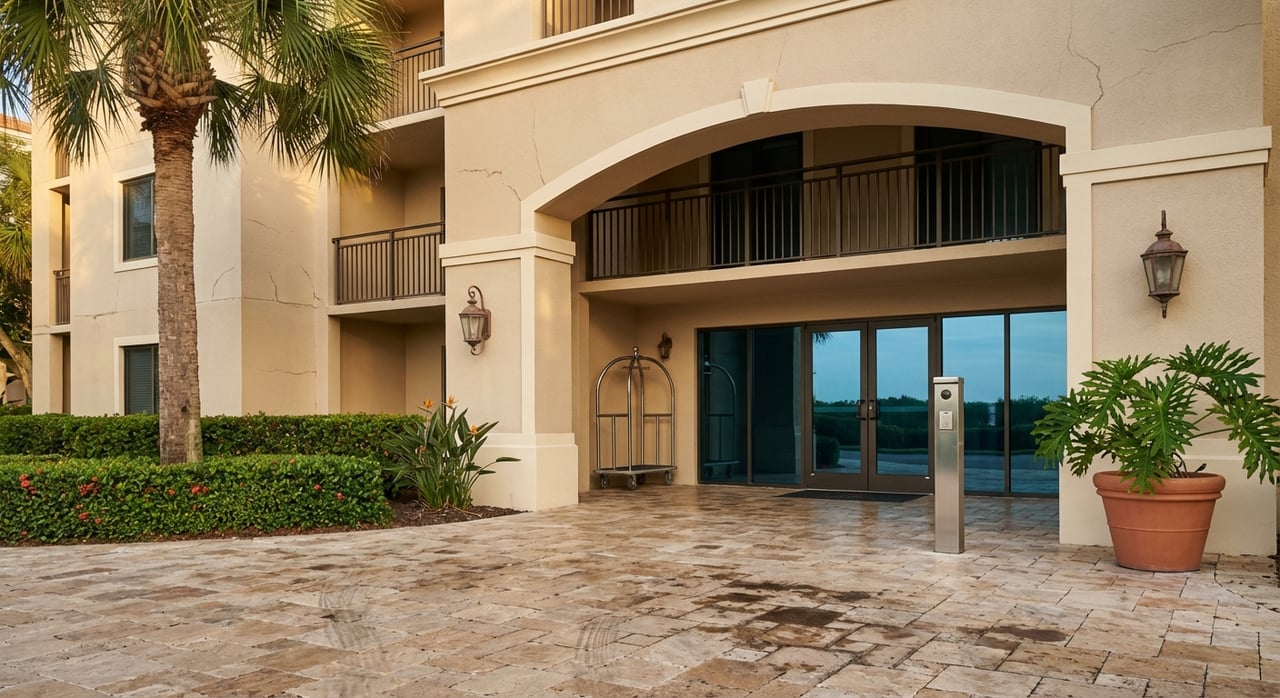
Tiburón in north Naples is a gated, resort-style golf community centered on two Greg Norman designed courses. The on-site Tiburón Golf Club offers dining, fitness and a Mediterranean-style clubhouse, and the adjacent Ritz-Carlton brings spa, pool and beach-shuttle services into the mix. Explore the community’s golf and club details on the official Tiburón Golf Club site.
The master-planned neighborhood includes several condominium enclaves like Ventanas, Bolero, Castillo, Marquesa Royale and others. For seasonal residents, the security, services and hospitality focus make Tiburón a natural lock-and-leave choice. The key is knowing how each condo association operates and how it fits under the master association.
Ownership in Tiburón typically sits under two layers:
Florida’s Condominium Act sets the legal framework for how condo associations operate, including records, financial reporting and insurance basics. You can review the statute overview in Florida Statute Chapter 718.
The master association typically coordinates big-picture services that benefit all neighborhoods. Examples often include gate operations, certain common-area landscaping, shared roads and community security. Seasonal buyers should request the master association’s budget and reserve information from the manager listed on the master HOA site.
Your condominium association usually oversees building exteriors, roofs, elevators, corridors and any pools or amenities owned by the condo. It also carries a master insurance policy for the building and manages assessments from unit owners. The exact boundaries between unit and common elements are spelled out in your condo declaration and rules. For insurance and association duties, see the specific requirements in Florida Statute 718.111.
Condo fees in Tiburón commonly include line items such as building and common-area maintenance, pools, pest control, irrigation water, gate and road upkeep, security, water and sewer, trash service and, in some buildings, bulk cable or internet. Some services are covered at the master association level while others are paid through your building’s HOA. Totals vary by community, building and condo size.
Because fees can differ widely among Tiburón’s condo enclaves, ask for an itemized summary that separates master association dues from your building’s dues, plus exactly what is included in each. A clear breakdown makes it easier to compare communities and plan your seasonal budget.
Strong reserve planning helps keep a building in top shape and can reduce the risk of special assessments. Florida law requires associations to keep specific records and follow financial reporting standards. Before you buy, request:
These documents can reveal upcoming projects, proposed assessments or changes to rental policies. For an overview of association governance and disclosures, review Florida’s Condominium Act.
Living in Tiburón puts you close to premium golf, dining and fitness. The Tiburón Golf Club offers multiple membership categories, and the community also benefits from resort services at the adjacent Ritz-Carlton. Memberships and their privileges can change, and they are not guaranteed with every real estate purchase. Visit the Tiburón Golf Club site for current program information.
If a listing mentions an available membership, confirm directly with the club what is included, whether there is a waitlist, and the current initiation and annual dues. Seasonal golfers should also ask about peak-season access and tee-time policies.
If you plan to rent while you are away, plan ahead. Collier County requires short-term vacation rental registration for rentals under six months in unincorporated areas, along with a designated local contact. State licensing and taxes may also apply. A helpful overview of Collier County’s short-term rental registration is available here: Collier County short-term rental rules summary. For a practical checklist of licensing and tax steps owners often take, see this Collier County rental guide.
Each Tiburón condo association sets its own leasing policy, often including minimum lease terms, the number of leases allowed per year, a cap on the percentage of units that can be leased and tenant registration procedures. Always verify the rules in the recorded declaration and current association rules. Some local condo sites, like Ventanas, post owner notices and guidance for leasing and maintenance on their owner portals. See example owner resources at Ventanas.
Quick rental prep checklist:
Florida law requires condominium associations to carry property insurance for certain common elements and building components. Unit owners typically carry an HO-6 policy for interior finishes, personal property and loss assessments as defined by the governing documents. Always review your building’s master policy, deductibles and your owner responsibilities. Start with the insurance duties outlined in Florida Statute 718.111, and then confirm specifics in your condo’s documents.
Key items to verify:
Most Tiburón associations provide hurricane preparation checklists and guidance for absentee owners, and many residents use professional home-watch services. As an example, Ventanas publishes owner information and hurricane guidance on its site: Ventanas owner resources. The gated setting and robust club operations also add layers of coordination and communication for seasonal residents; you can explore amenities and services on the Tiburón Golf Club site.
Before you leave for the season, consider this quick prep list:
Ask the seller, listing agent or association for:
Governing documents control. If you plan to rent short-term, also review local registration and licensing resources, including the Collier County short-term rental rules summary and this owner guide to Collier County requirements.
When you are buying a seasonal condo, details matter. A clear look at association layers, fees, membership options and storm-readiness helps you enjoy every season in Naples. If you want a calm, private search guided by deep local knowledge and proven negotiation, connect with Laurie Bellico. She will help you compare buildings, review documents and find the right Tiburón fit.
Stay up to date on the latest real estate trends.
GET IN TOUCH WITH LAURIE TO LEARN MORE

Coquina Sands Luxury Group William Raveis Real Estate 225 Banyan Blvd #110 Naples FL 34102