
Selling a Park Shore Condo With a Stronger Market Debut
July 2, 2026
July 2, 2026
Selling a Park Shore condo is not just about putting a beautiful property on the market. In this part of Naples, your sale often depends on two things working together: presenting the unit like a luxury product and managing the condo details that can affect timing, disclosures, and buyer confidence. If you want a smoother path to market and a stronger first impression, a thoughtful prep plan can make a real difference. Let’s dive in.
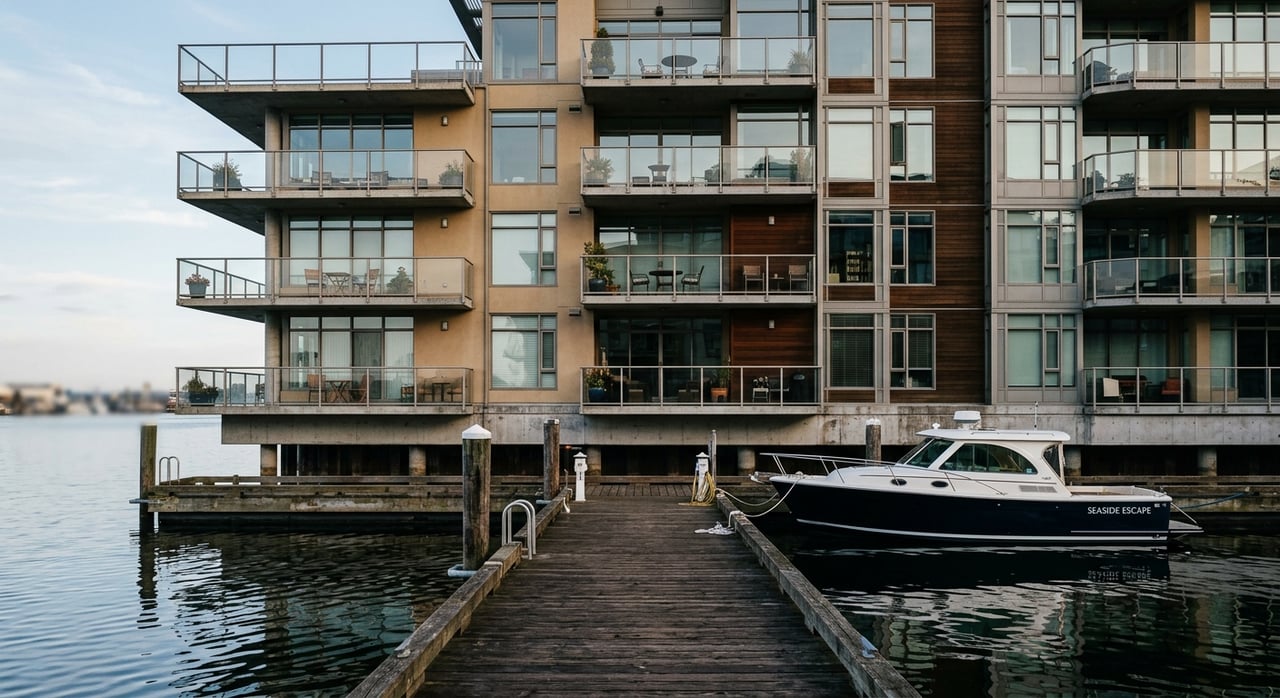
Park Shore has a distinct identity in Naples, with waterfront buildings, Gulf proximity, Venetian Village, boating access, and a mix of older and updated residences. The neighborhood developed largely in the 1970s and 1980s, and many buildings have evolved through renovation or rebuilding over time. That means your individual condo and your specific association can matter just as much as the Park Shore name itself.
For sellers, that creates both opportunity and responsibility. Buyers may be drawn to the coastal lifestyle and building location, but they also want clarity about the unit, the association, and the building’s condition. The best preparation helps your condo feel polished while reducing surprises once buyers start asking questions.
Most buyers begin online, and that first digital impression carries a lot of weight. According to NAR’s 2025 buyer data, 83% of buyers found photos very useful, 57% said floor plans were useful, and 41% said virtual tours were useful. NAR also reported that 52% of buyers found the home they purchased online.
That matters in a luxury condo market like Park Shore. If your listing photography does not feel clean, bright, and accurate, many buyers may never schedule a showing. Strong sale preparation starts well before the photographer arrives.
In most Park Shore condos, buyers respond to what feels open, calm, and easy to enjoy. Natural light, clean sight lines, and visible outdoor space can shape how the home feels in photos and in person. Even a well-located unit can feel smaller or darker if furniture, décor, or everyday clutter distract from the layout.
NAR’s staging guidance supports a simple approach: neutral wall colors, open space, streamlined décor, natural light, and improved storage. In practical terms, that usually means editing the room, not overfilling it. You want buyers to notice the living area, view, and layout, not your extra lamps, paperwork, or packed shelves.
Before listing, focus on visible items that can hurt photos or showings. In many cases, you do not need a major renovation. You need a condo that looks cared for, functional, and move-in ready.
A smart pre-list punch list often includes:
This kind of prep helps the condo read better online and in person. It also signals attention to detail, which can build buyer trust early.
Staging is not about making your condo look generic. It is about helping buyers picture how the home lives. NAR’s staging research found that 81% of buyers’ agents said staging made it easier for buyers to visualize a property.
That is especially useful in Park Shore, where many buyers are thinking about seasonal living, downsizing, guest space, or low-maintenance ownership. They may be looking beyond square footage and asking how the condo supports their lifestyle. Your staging should answer that question clearly.
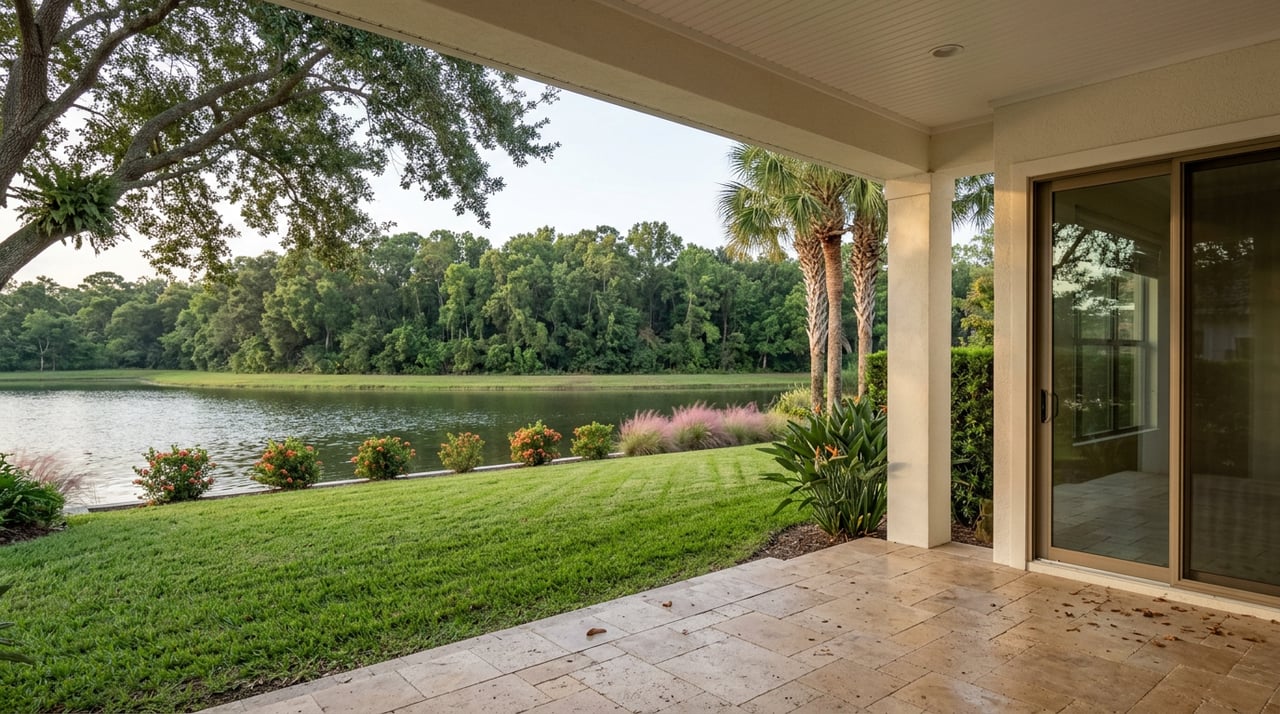
A Park Shore condo usually shows best when it feels airy and understated. Light walls, simple furnishings, and minimal surface clutter can help buyers focus on the architecture, view lines, and natural light. If your balcony or lanai is a selling point, make sure it feels usable and uncluttered.
The goal is not to strip out all personality. The goal is to create a setting that feels refined, comfortable, and easy to step into. In a coastal market, heavy décor or crowded rooms can work against that feeling.
Storage matters more than many sellers expect. Buyers often open closets, utility areas, and kitchen cabinets because they want to understand how day-to-day living will work. Overstuffed spaces can make even a generous condo feel limited.
A careful edit can go a long way. Remove out-of-season items, reduce duplicates, and create breathing room on shelves and in cabinets. Buyers do not need empty storage, but they do need to see that the home can function well.
In Florida, condo resale preparation is not only about appearance. It is also about having the right documents ready. Under Florida condominium resale disclosure rules, a nondeveloper seller must provide current copies of the declaration, articles, bylaws and rules, the annual financial statement and budget, plus the milestone-inspection summary if applicable and the association’s most recent structural integrity reserve study, or a statement that one has not been completed.
Florida law also requires resale contracts to include the 7-day voidability language tied to receipt of those documents. If a required milestone inspection or reserve study has not been completed, the contract must disclose that as well. For sellers, that makes early document gathering an important part of the listing process.
A well-prepared seller folder can help reduce delays and make buyer questions easier to answer. In Park Shore, where building rules and conditions can vary significantly, this step can be especially valuable.
Documents worth gathering early may include:
Having these items ready can support a cleaner transaction. It also helps you and your advisor spot issues before they become last-minute obstacles.
Not every Park Shore condo follows the same procedures. Building-level rules can affect when repairs happen, what approvals are needed, and how quickly you can complete pre-list improvements. That is why sellers should verify their own association’s rules rather than assume the process is the same across the neighborhood.
Florida law says unit owners, tenants, invitees, and associations must comply with the condominium chapter, the declaration, the association documents, and the bylaws. Boards may levy reasonable fines for violations, and notice requirements can affect the timing of meetings related to certain decisions. In practice, that means your repair and listing schedule may depend partly on the condo board calendar.
A Park Shore Landings rules example shows how specific some associations can be. That association requires approval before work involving walls, plumbing, hard-surface flooring, lanai enclosures, sliding doors, windows, screens, storm shutters, roof AC units, boat lifts, or ladders. It also asks that major construction be scheduled out of season, from May 1 to Nov. 15, during weekday daytime hours.
That is only one association’s rule set, but it illustrates an important point. Even minor sale-prep work may need review or scheduling coordination. Checking that early can help you avoid delays, rescheduling, or unnecessary stress.
Because many Park Shore buildings date back to the 1970s and 1980s, sellers should check whether milestone inspection and reserve study requirements apply to their building. Florida requires milestone inspections for condominium or cooperative buildings that are at least three habitable stories tall when they reach 30 years of age, and every 10 years after that. Associations that existed on or before July 1, 2022 and are under unit-owner control must complete a structural integrity reserve study for each 3-plus-story building by Dec. 31, 2025.
Not every Park Shore building is covered automatically, but many Gulf-side towers and mid-rises are old enough that this deserves early attention. If buyers ask about inspections, reserves, or building projects, it helps to be ready with accurate information. Early review can also help you understand whether upcoming building issues may shape pricing, marketing, or negotiations.
Waterfront and coastal location can add another layer to condo sale prep. Collier County notes that an elevation certificate may be needed if an owner wants flood insurance or wants to remove a structure from the federal flood-insurance purchase requirement. The county also notes that federally backed mortgages require flood insurance on buildings in a Special Flood Hazard Area.
For a Park Shore seller, this means flood-zone and insurance documents are worth gathering early, especially in waterfront buildings. Buyers may ask about insurability, flood requirements, or prior documentation during due diligence. If you have those materials organized ahead of time, you can respond with more confidence and less scrambling.
Once the condo is physically ready and the key documents are in order, the marketing package should be complete before day one on market. In a visually driven segment like Park Shore, a rushed launch can weaken the listing’s momentum. Buyers often decide whether to visit based on what they see online first.
NAR’s buyer data make the priorities clear: strong photos, a floor plan when possible, and virtual tour support can all improve how buyers understand the property. Just as important, the online presentation should be accurate. NAR notes that overly polished or misleading photos can create a mismatch that hurts buyer response and offers.
Floor plans are especially useful in condo listings because they help buyers understand flow, furniture placement, storage, and guest areas. In Park Shore, many buyers are comparing condos for seasonal use, downsizing, or low-maintenance living. A floor plan can answer practical questions quickly.
It can also help your listing stand out. Photos create emotion, but a floor plan adds clarity. Together, they give buyers a stronger sense of whether the condo fits their needs.
Do not photograph the condo too early. The unit should be decluttered, cleaned, and repaired first, with working lights and clear balcony or view lines. That timing helps the final images feel intentional and market-ready.
In many Park Shore condos, the lead image should highlight the strongest visual feature, whether that is the main living area, water view, or a bright indoor-outdoor connection. The goal is to create interest honestly and effectively, not to oversell the property.
If you want to simplify the process, think of condo sale prep in two parts. First, make the home show beautifully. Second, treat the transaction like a regulated condo resale with building-specific rules and disclosures.
That balanced approach often gives sellers the best chance at a smoother launch. When the unit looks polished, the documents are ready, and the association details are checked early, you are in a much stronger position to move forward with confidence.
Preparing a Park Shore condo for sale takes local knowledge, attention to detail, and careful timing. If you are thinking about listing, Laurie Bellico can help you prepare your condo with the discretion, staging insight, and tailored marketing strategy this market deserves.
Stay up to date on the latest real estate trends.


GET IN TOUCH WITH LAURIE TO LEARN MORE

Coquina Sands Luxury Group William Raveis Real Estate 225 Banyan Blvd #110 Naples FL 34102