Park Shore Beachfront vs Bayfront Condos Explained
January 1, 2026
January 1, 2026
Torn between waking up to Gulf panoramas or stepping onto your dock for a morning cruise? Choosing between Park Shore’s beachfront and bayfront condos is an exciting decision, but the details matter. You want the right blend of lifestyle, views, boating access, and long-term value with clear eyes about costs and risks. This guide breaks it down so you can move forward with confidence. Let’s dive in.
Park Shore sits along Naples’ Gulf Coast in Collier County with a rare mix of Gulf-front towers and bayfront or marina-side buildings on protected waterways. Your choice often comes down to how you plan to spend each day. Do you prioritize sand, sunsets, and direct beach access, or calm waters, docks, and a boating community?
Both sides are desirable. The best fit depends on how you live, your cost tolerance for insurance and HOA dues, and the building’s condition and governance.
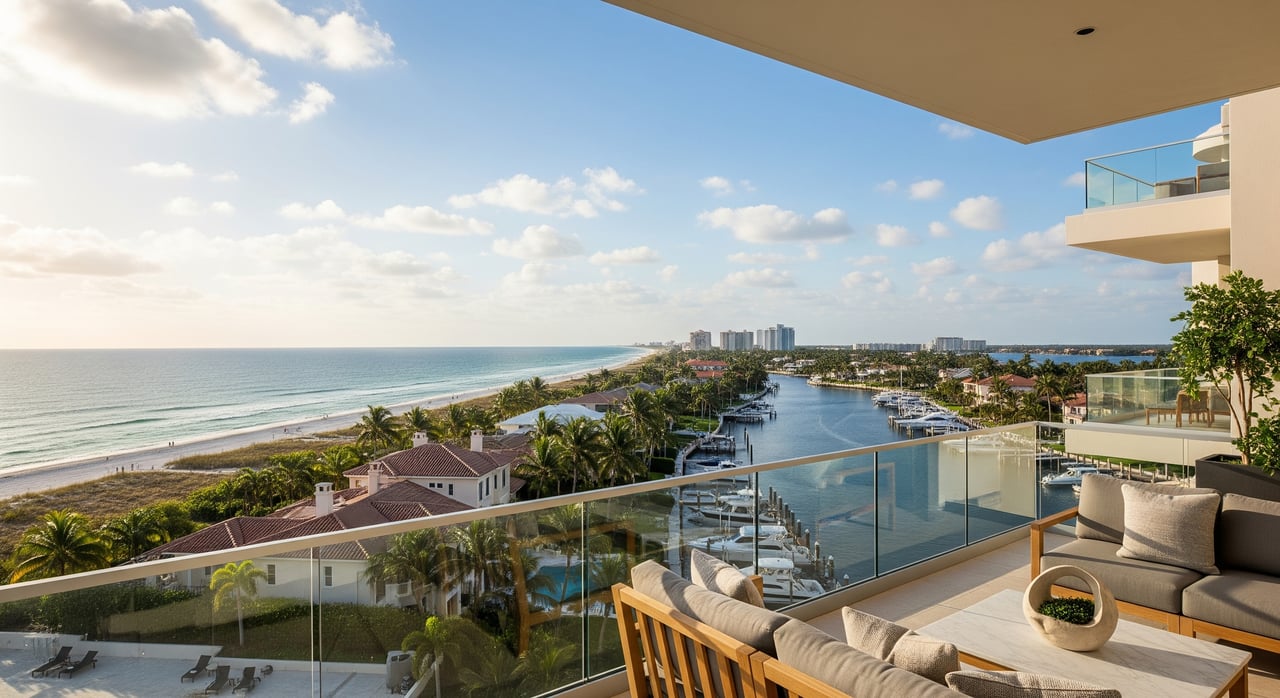
If daily beach walks and sunset viewing are non-negotiable, beachfront delivers. Expect immediate access to the sand, Gulf-facing pools, and an unmistakable coastal vibe. High season can bring more pedestrian activity, and some buildings sit near public beach access points.
Best for: buyers focused on beach time and panoramic Gulf scenery, including seasonal owners and those seeking vacation appeal.
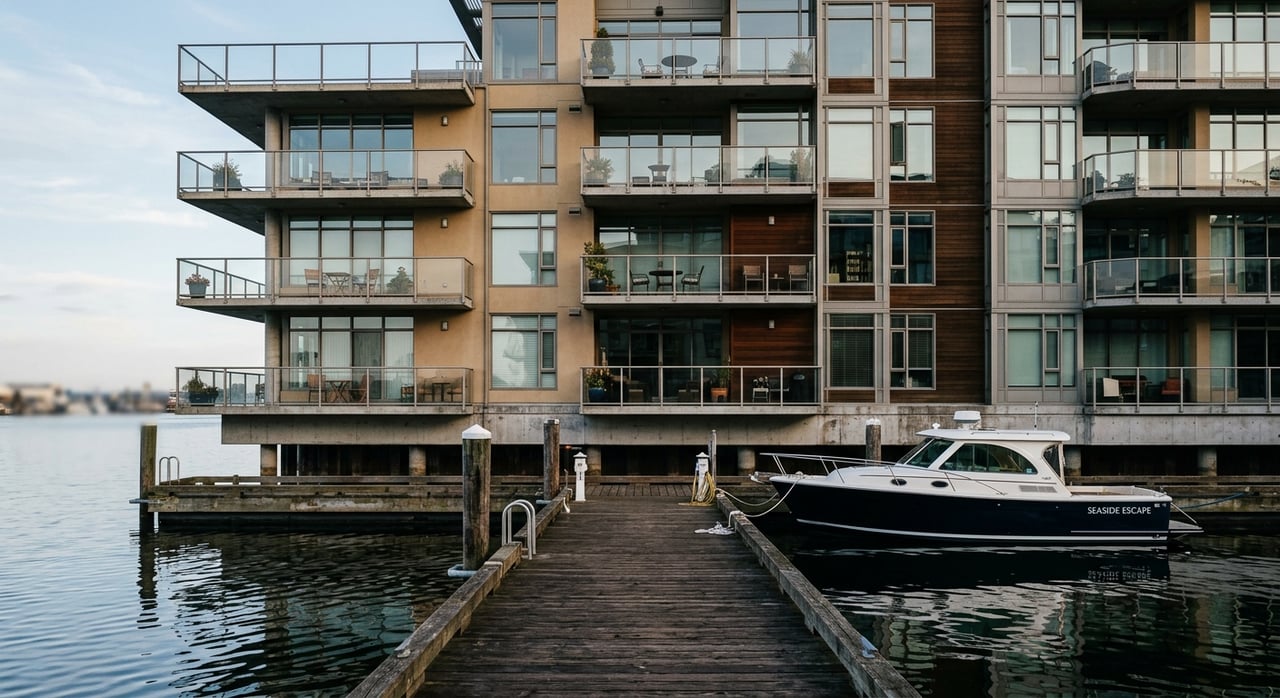
If you love boating, paddleboarding, or simply watching marina life from a quieter terrace, bayfront is compelling. Water is typically calmer, evenings feel more private, and you’ll often find community docks or nearby marinas.
Best for: boat owners and residents who prefer protected water access and a more intimate waterfront pace.
Beachfront towers often provide unobstructed horizon views and nightly sunsets. The soundtrack can include surf and seasonal beachgoers. For some, that energy adds charm. For others, it is a factor to weigh.
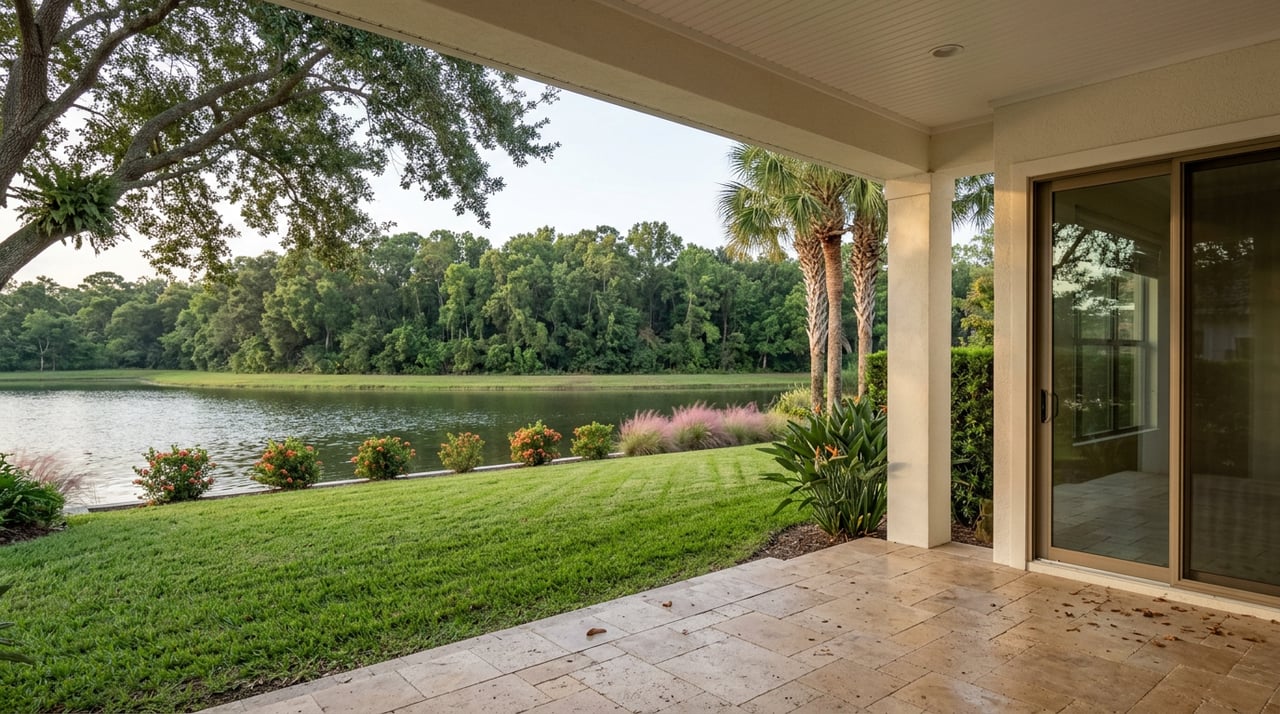
Bayfront scenes vary by orientation and location, from mangroves and canals to marina activity and occasional sunrise glow. Evenings tend to be quieter with episodic boating sounds instead of steady surf.
Bayfront buildings are more likely to offer assigned slips, docks, or access to a community marina. Depth, bridge clearances, and tidal conditions determine boat size and navigation routes. Review local conditions using the NOAA Tides & Currents resources and plan for your vessel’s draft and height.
Beachfront towers rarely include docks due to surf and shoreline regulations. If you buy beachfront and boat regularly, you will likely rely on nearby marinas or leased slips on canals and bays.
Before you buy a bayfront unit, confirm slip rules. Some slips are deeded, some leased, and many have waitlists. Verify transferability, size limits, and dredging schedules with the association and the Collier County government site for current permitting norms.
Beachfront buildings tend to emphasize the beach experience with Gulf-facing pools, easy sand access, and, in higher-end towers, concierge-style services. Bayfront communities often focus on boating infrastructure, from docks and lifts to fishing platforms and lounge areas.
HOA fees reflect building age, reserves, insurance deductibles, elevators, garage and seawall upkeep, beach renourishment contributions where applicable, and dock or marina maintenance. Ask for the latest audited financials, reserve study, and insurance summaries to understand what your fees support.
Coastal Florida requires careful insurance planning. Many owners carry windstorm coverage and flood insurance in addition to the association’s master policy. Beachfront buildings often face higher exposure to storm surge and wave action, while bayfront properties can vary by elevation, seawalls, and distance from the open Gulf.
Since 2021, Florida has tightened condo safety oversight. Expect more frequent structural inspections, reserve funding expectations, and engineering reviews, especially in coastal high-rises. For legal context, review Florida Statutes Chapter 718 and consult association records for recent inspection reports and reserves.
Beachfront units typically command a premium per square foot because of direct Gulf access and iconic views. Bayfront values are strong for boaters and full-time residents who want protected water access and quieter settings. Both sides are sensitive to insurance changes, special assessments, and visible maintenance needs.
If you plan to rent, confirm building rules and local regulations. Short-term rental demand is often stronger on the beach, but association restrictions vary widely. For market trend context, monitor the Naples Area Board of REALTORS market reports and track building-level comps through the Collier County Property Appraiser.
Use this scoring approach to compare favorites. Assign a 1 to 10 score to each category below for every condo you are considering, multiply by the weight, then total and compare.
Then adjust for any non-financial red flags such as ongoing litigation, concrete restoration, seawall issues, or pending assessments.
Gather building and unit specifics early. Here is a focused checklist to guide you:
If your heart is set on daily beach life and you value iconic Gulf views, beachfront is hard to beat. If boating access and a more protected waterfront setting define your lifestyle, bayfront is a natural match. The right choice aligns your day-to-day routine with a clear understanding of costs, building health, and long-term plans.
If you want a calm, data-backed path to the best-fit Park Shore condo, reach out to Laurie Bellico for private guidance, building-level insights, and seasoned representation.
Stay up to date on the latest real estate trends.

GET IN TOUCH WITH LAURIE TO LEARN MORE
Coquina Sands Luxury Group William Raveis Real Estate 225 Banyan Blvd #110 Naples FL 34102