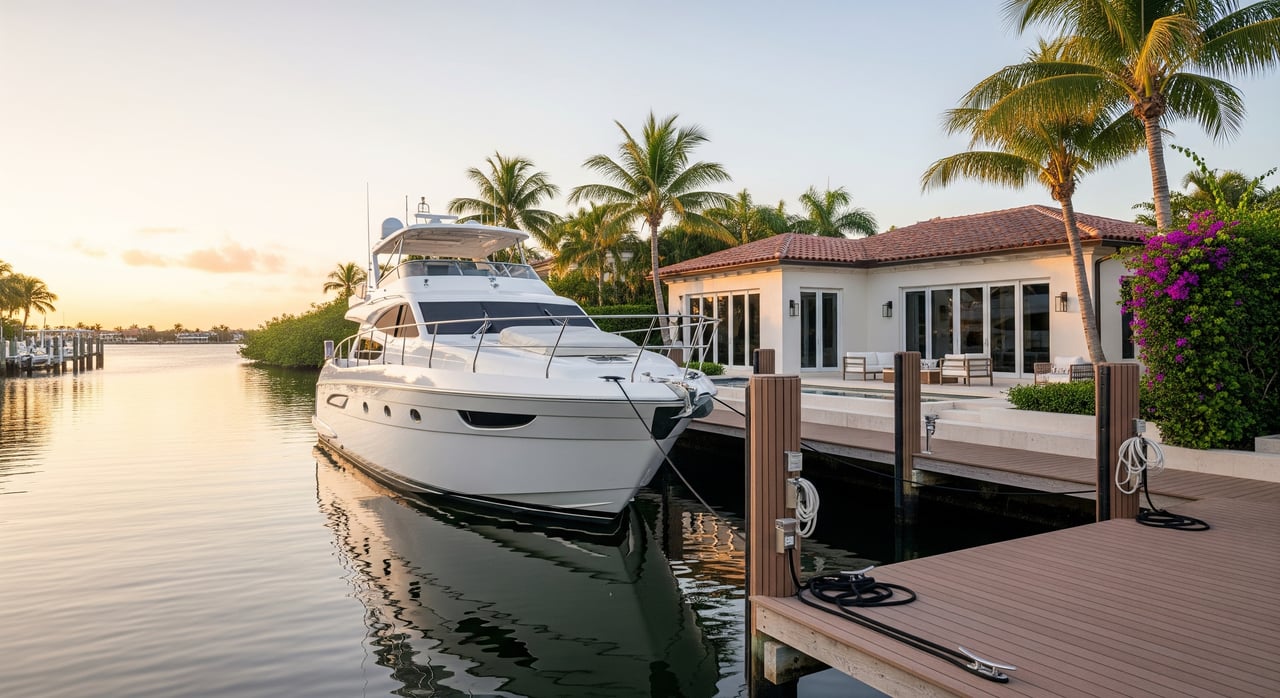
Royal Harbor Boating Guide to Canals and Gulf Access
December 4, 2025
December 4, 2025
If your ideal day starts with coffee on the dock and ends with a sunset run on the Gulf, Royal Harbor should be on your short list. You get protected canals, quick access to Naples Bay, and a direct route to open water without long idle zones. In this guide, you’ll learn how canal orientation affects your boating, what to inspect on a dock and seawall, and how to plan safe trips through Gordon Pass. You’ll also find a due-diligence checklist designed for buyers who put boating first. Let’s dive in.
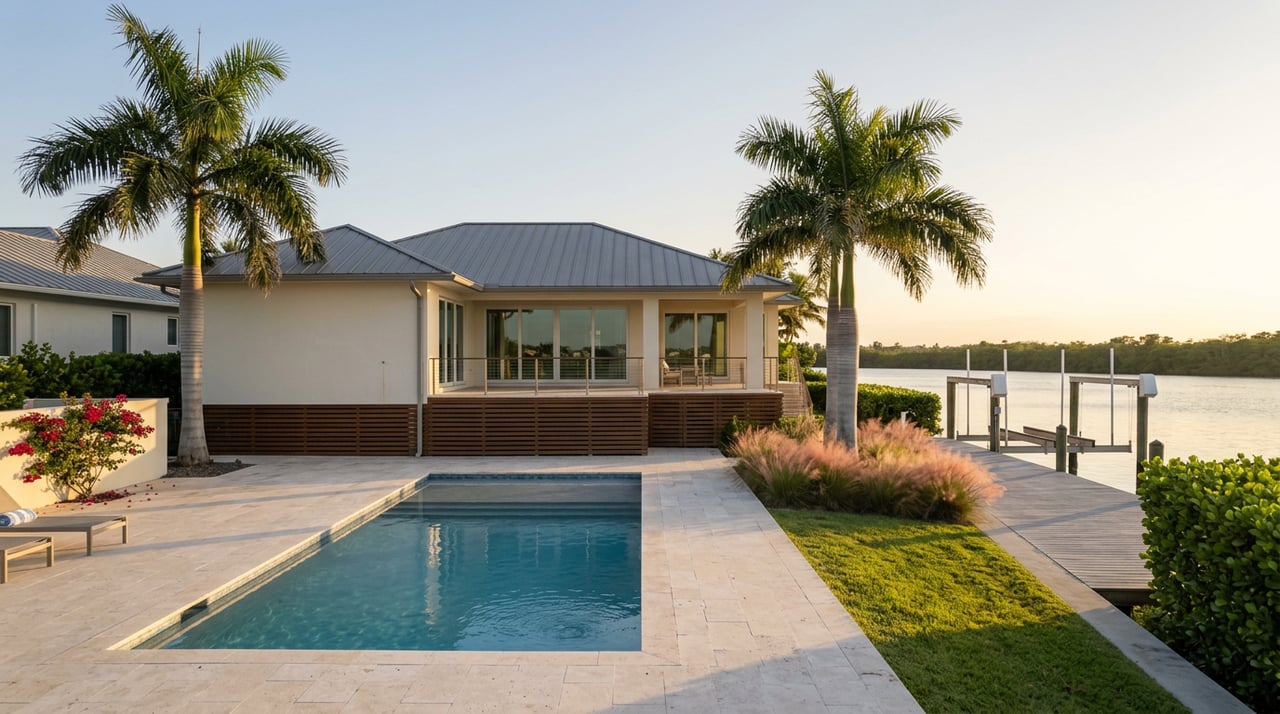
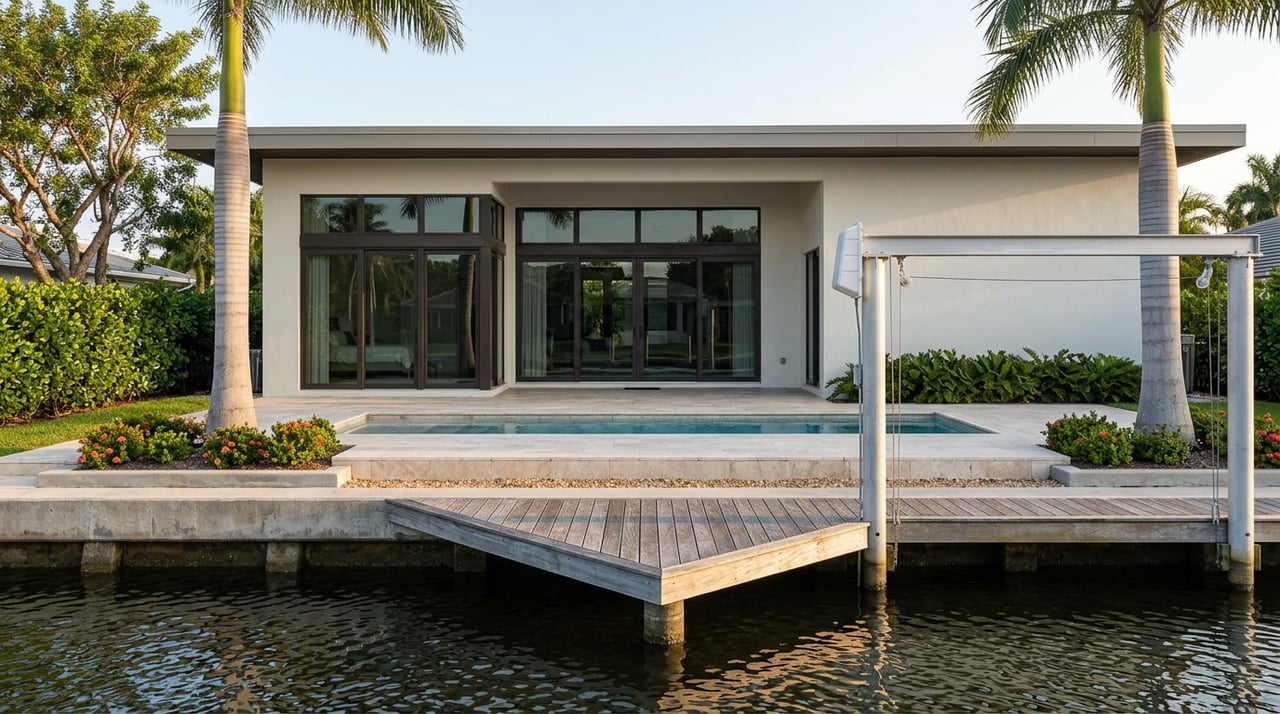
Royal Harbor offers waterfront living with canal access that feeds into Naples Bay and then the Gulf of Mexico via Gordon Pass. You can keep your boat at home, enjoy short runs for fishing or shelling, and still benefit from calmer water while at the dock. Many owners choose center consoles, bay boats, cuddy cabins, or midsize cruisers that suit the canals and lift systems common in the neighborhood.
The setup is ideal if you want the best of both worlds. You get quick Gulf access for adventure and protected canals for everyday usability and maintenance. Very large deep-draft yachts are less common due to turning space, beam, and depth constraints in residential canals, so matching your vessel to the lot is key.
Royal Harbor’s canal system typically includes a wider main canal that connects to Naples Bay, plus side or finger canals that serve individual lots. Main canals usually provide more maneuvering room and can handle two-way traffic more easily. Side canals can be narrower, so long or wide-beam boats may find turning and docking more challenging.
As a planning guideline, narrow side canals in the Naples area can be on the order of tens of feet across, commonly about 30 to 60 feet. Main residential canals are often wider, commonly 60 to 120-plus feet. Turning basins at canal ends can range roughly 70 to 150-plus feet across. These are approximate ranges, and you should confirm exact measurements from plats, county GIS, and current nautical charts before you buy.
Lot orientation matters more than you might think. The way your dock faces affects sun exposure on your boat in the morning and afternoon, which can influence maintenance and comfort. Orientation also shapes how prevailing winds reach your slip and how much pass-by traffic you see. A home on a quiet cul-de-sac canal can feel private, while a lot on an open connecting channel may see more activity.
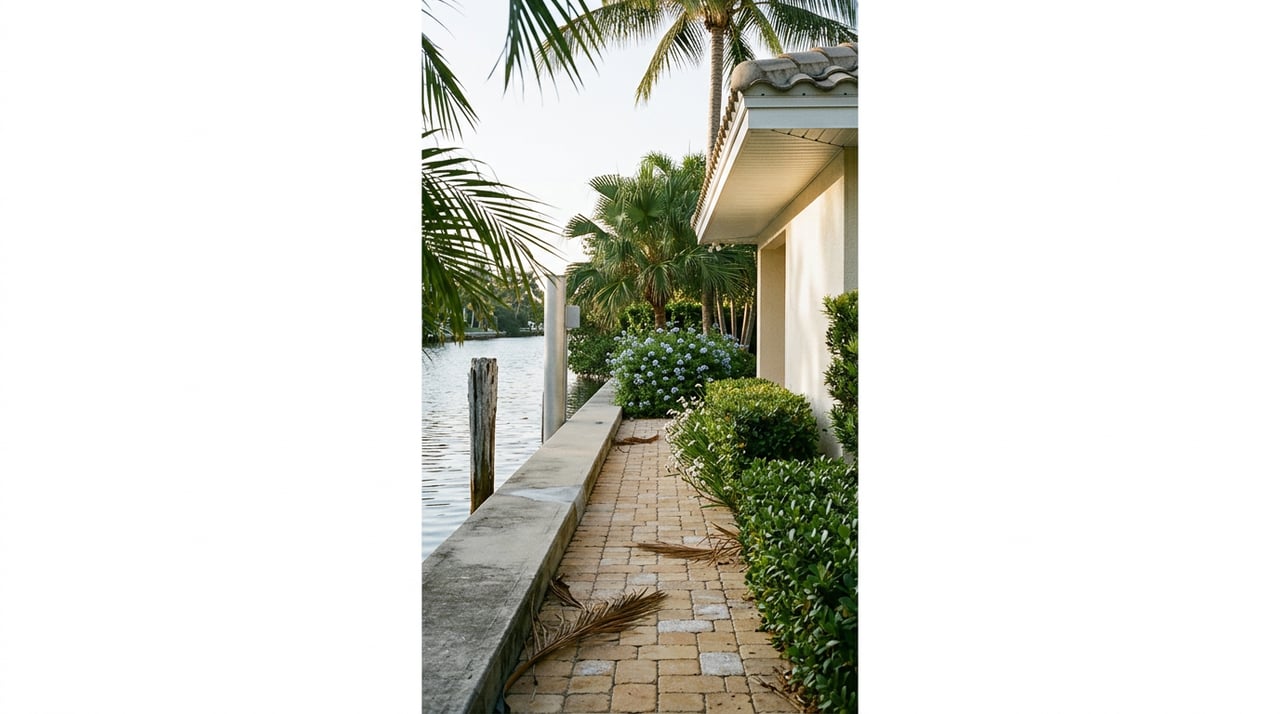
Homes along main canals or near channel entrances can experience more wake from passing boats. Cul-de-sac or side-finger lots often have less wake but can have tighter turning space. When touring, note the distance to the canal entrance, width, and visibility for approaching vessels.
Depth at the dock should be measured at Mean Low Water (MLW). Ask the seller for the most recent depth reading and the date taken, or arrange a measurement during a low tide. Match your boat’s draft to the measured depth, and leave margin for seasonal changes and sedimentation.
Southwest Florida has a modest tidal range compared to many coasts, commonly on the order of 1 to 2 feet. Currents can be stronger near constricted areas like Gordon Pass during ebb and flood. Shoaling can occur over time, especially near passes and shallow shelves. Conditions change, so plan with current charts and local notices, and avoid tight transits at extreme low tides if your draft is marginal.
Most residential canals in Naples do not have fixed low bridges, but overhead power lines near docks can limit vertical clearance for masts or tall T-tops. Verify vertical clearance and check that dock utilities like shore power, water, and lighting meet current electrical and flood-elevation code.
A well-built, well-maintained waterfront is just as important as the house. Use this checklist to evaluate each listing.
Royal Harbor connects to Naples Bay, which leads directly to the Gulf of Mexico through Gordon Pass. For most residents, the run is relatively short compared with inland routes. Exact transit time depends on your specific dock location, tidal state, and traffic.
Plan for currents in the pass, especially during strong ebb or flood. Wave conditions can steepen at the pass mouth on an ebb if Gulf swell is present. Shoaling changes over time, and peak-season boat traffic can be heavy on weekends and holidays. Obey channel buoys and daymarks and keep charts and plotters up to date.
For the most accurate, current information, consult authoritative sources:
Dock, lift, and seawall work generally requires Collier County permits. If work affects sovereign submerged lands or sensitive habitats, the Florida Department of Environmental Protection may also be involved. Larger in-water work can require U.S. Army Corps of Engineers permits. Electrical work must be done by licensed contractors with proper county permits.
Expect manatee protection and slow-speed zones in inshore waters. These rules help protect marine wildlife and improve safety. Review local maps and postings for specific speed restrictions, and operate with care during seasonal concentrations of wildlife.
Private maintenance dredging is regulated and may be limited by habitat protections, seasonal windows, and jurisdiction. Some channels are publicly maintained while others are private. Confirm whether a canal is publicly maintained or private, and clarify homeowner responsibility before you buy.
Waterfront homes are often located in FEMA flood zones. Request an elevation certificate and talk with your insurance professional about flood and boat coverage. Some insurers may require documentation of dock construction standards and maintenance.
Bring this list to showings and attach it to your offer prep.
Not every lot suits every boat. If you run a center console or bay boat and prefer a lift, confirm lift capacity and beam clearance. If you plan a midsize cruiser, assess turning basins and the main canal approach. For deeper-draft vessels, prioritize measured MLW depths and confirm a safe window to transit the pass.
When in doubt, arrange a sea trial from the property. Time your run to include a low-tide segment, and observe traffic and wake patterns as if it were an average weekend.
When choosing between similar homes, compare these details side by side:
A small difference in orientation or canal width can translate to easier docking and lower maintenance.
Before launch, schedule a marine inspection of the seawall, dock, lift, and electrical. Confirm your slip dimensions and line the dock with fenders and spring lines suited to local wind and tide. Keep charts up to date and review speed zones and wildlife protections. For offshore days, check wind and sea forecasts for the Gulf near Gordon Pass and plan returns before afternoon sea breeze builds if your crew prefers calmer rides.
Buying in Royal Harbor is about matching a great home with the right water. With deep local tenure and a boutique, concierge approach backed by institutional marketing tools, you can evaluate options with confidence. If you want a second set of eyes on dock and canal fit before you offer, or you need a curated list of properties that suit your vessel, reach out to Laurie Bellico for discreet, experienced guidance.
Stay up to date on the latest real estate trends.
GET IN TOUCH WITH LAURIE TO LEARN MORE
Coquina Sands Luxury Group William Raveis Real Estate 225 Banyan Blvd #110 Naples FL 34102